Introduction
A recent fire incident involving a commercial rooftop PV system in Nanchang, China, has drawn renewed attention to the safety management of commercial and industrial (C&I) solar projects.
The exact cause of the incident remains under investigation, and no conclusion can be made based only on available public information.
However, the event highlights an important industry consideration:
C&I solar safety cannot be addressed by a single device.
As PV systems continue to grow in scale, safety management requires a comprehensive approach covering system design, installation quality, operation monitoring, maintenance and emergency response.
Scale Creates New Challenges for PV Management
Compared with residential solar systems, C&I PV projects face a fundamental difference: scale.
 A factory rooftop may contain hundreds or even thousands of solar modules. As system size increases, the number of connection points, cable routes and operating conditions also becomes more complex.
Traditional O&M methods often rely on periodic site inspections.
However, when a rooftop system expands from hundreds of modules to thousands, physical inspection alone becomes increasingly challenging.
A module with abnormal performance may affect overall string operation. In many traditional systems, O&M teams can only observe string-level performance data and must conduct additional testing to identify the specific location of the issue.
This creates an information gap between:
For large-scale C&I PV systems, improving system visibility becomes an important part of long-term operation management.

Four Questions Every C&I PV Project Should Consider
For commercial buildings, industrial facilities, hospitals, schools and other safety-sensitive rooftops, PV safety management should consider four key questions.
1. Can abnormal conditions be identified earlier?
Module-level data provides greater visibility into individual module operating conditions.
Instead of relying only on periodic physical inspections, project teams can monitor system status during normal operation and identify conditions that may require further investigation.
2. Can faults be located more efficiently?
Knowing that a system has an issue is only the first step.
The ability to understand where the issue occurs can significantly improve troubleshooting efficiency.
Module-level monitoring helps narrow the troubleshooting scope by providing more detailed operating information.
3. Can the system respond quickly when needed?
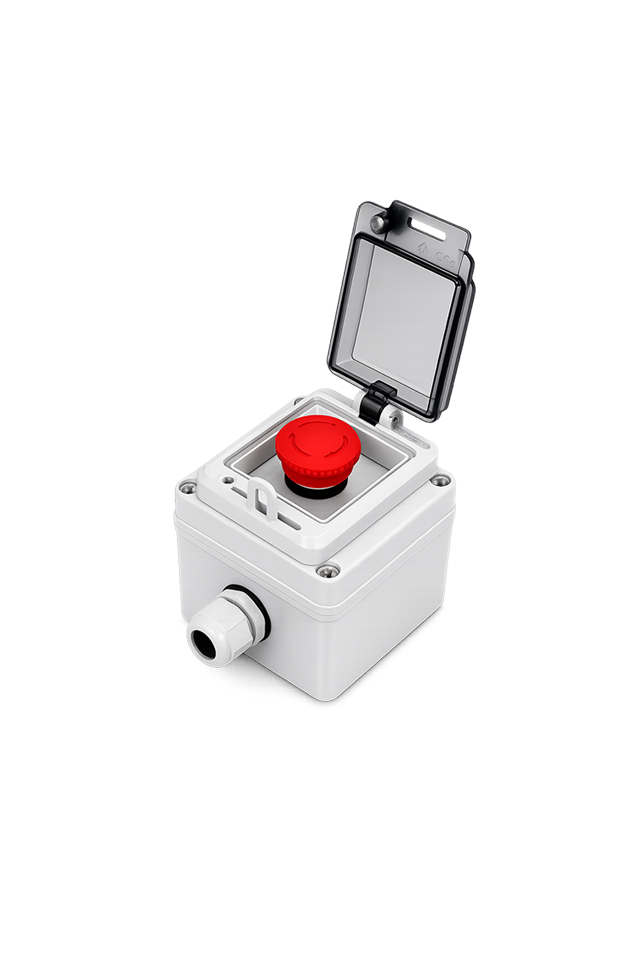
During maintenance or emergency situations, rapid shutdown capability provides an additional layer of operational control according to project requirements and applicable system design.
4. Can long-term O&M support be maintained?
A PV system is designed for long-term operation.
Successful project performance depends not only on installation, but also on continuous technical support, system monitoring and maintenance capability throughout the project lifecycle.

The Value and Boundaries of Module-Level Technology
Module-Level Power Electronics (MLPE) are becoming increasingly important in C&I solar applications.
Their value lies in providing more granular visibility, control and operational support.
What Module-Level Technology Can Support
Module-Level Visibility
Through module-level data acquisition, project teams can gain clearer visibility into individual module operating conditions.
Abnormal Condition Identification
Module-level monitoring can provide alerts or operating information that helps O&M teams investigate potential issues.
This supports earlier awareness, but does not replace professional diagnosis and maintenance procedures.
More Efficient Troubleshooting
By narrowing issues down to specific areas or individual modules, module-level technology can help reduce unnecessary troubleshooting efforts.
Rapid Shutdown Capability
Under applicable system configurations, module-level rapid shutdown solutions can support safer maintenance and emergency response procedures.

What Module-Level Technology Does Not Replace
Module-level technology is an important part of PV safety management, but it does not replace:
Proper system design;
Qualified installation practices;
Regular inspection and maintenance;
Complete fire safety management procedures.
A reliable PV safety framework requires multiple elements working together.
From Module-Level Management to Active Safety Capabilities
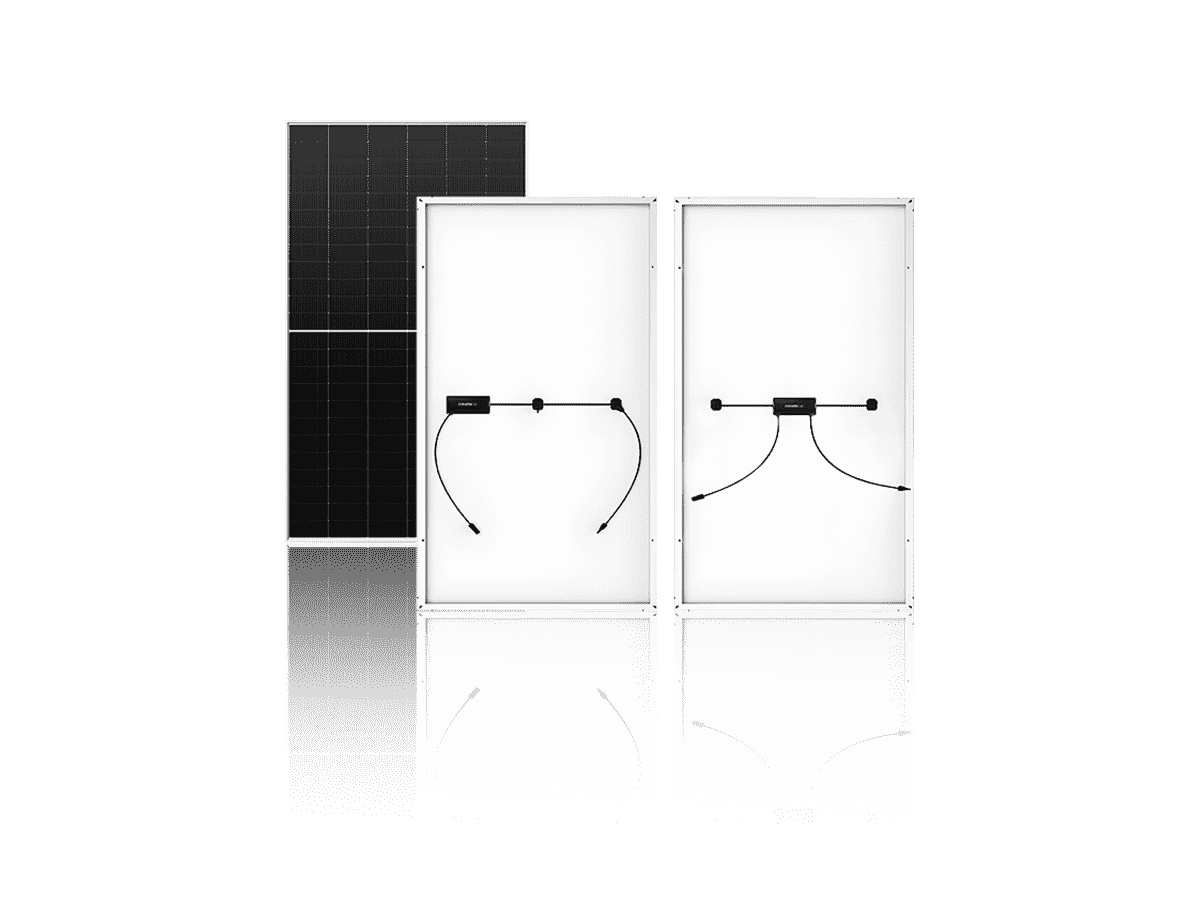
AdvanSol provides module-level solutions designed for different C&I PV project requirements.

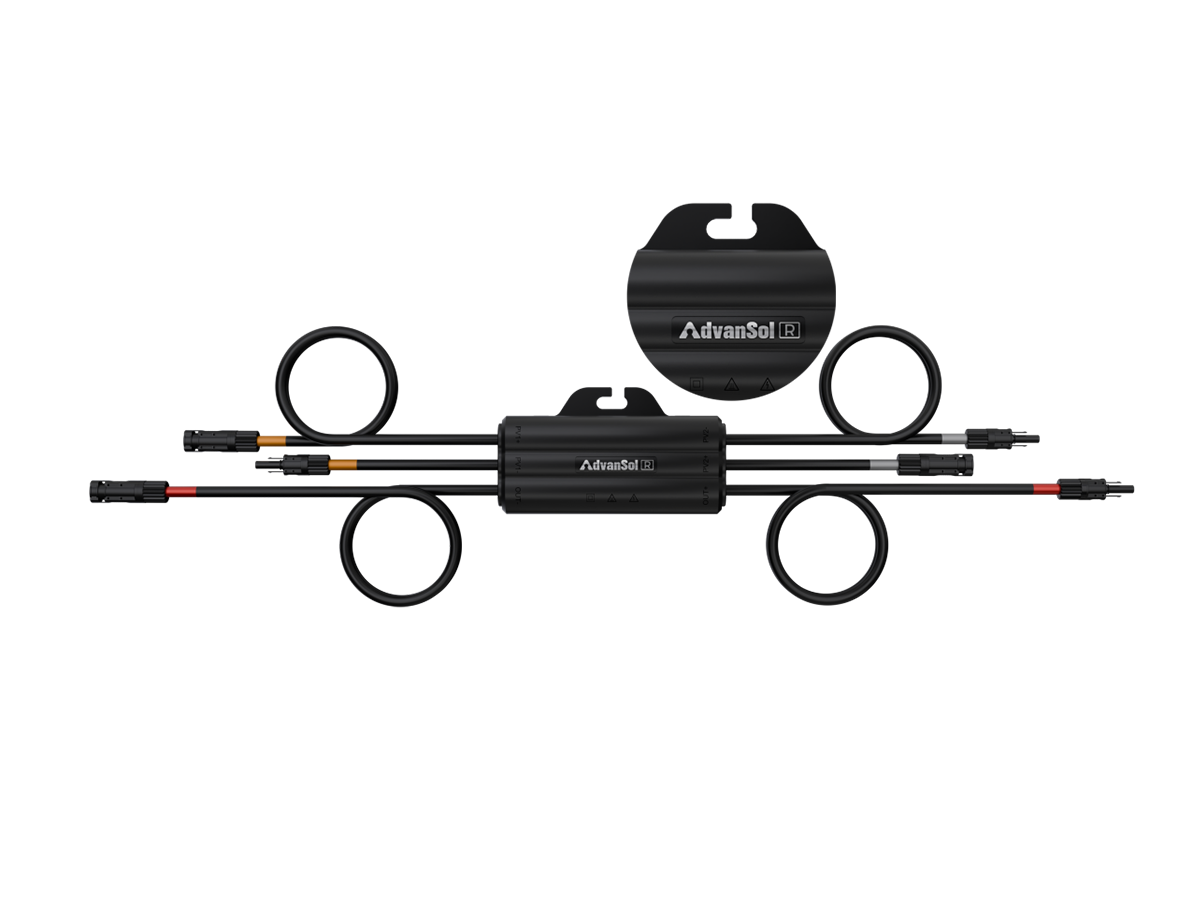
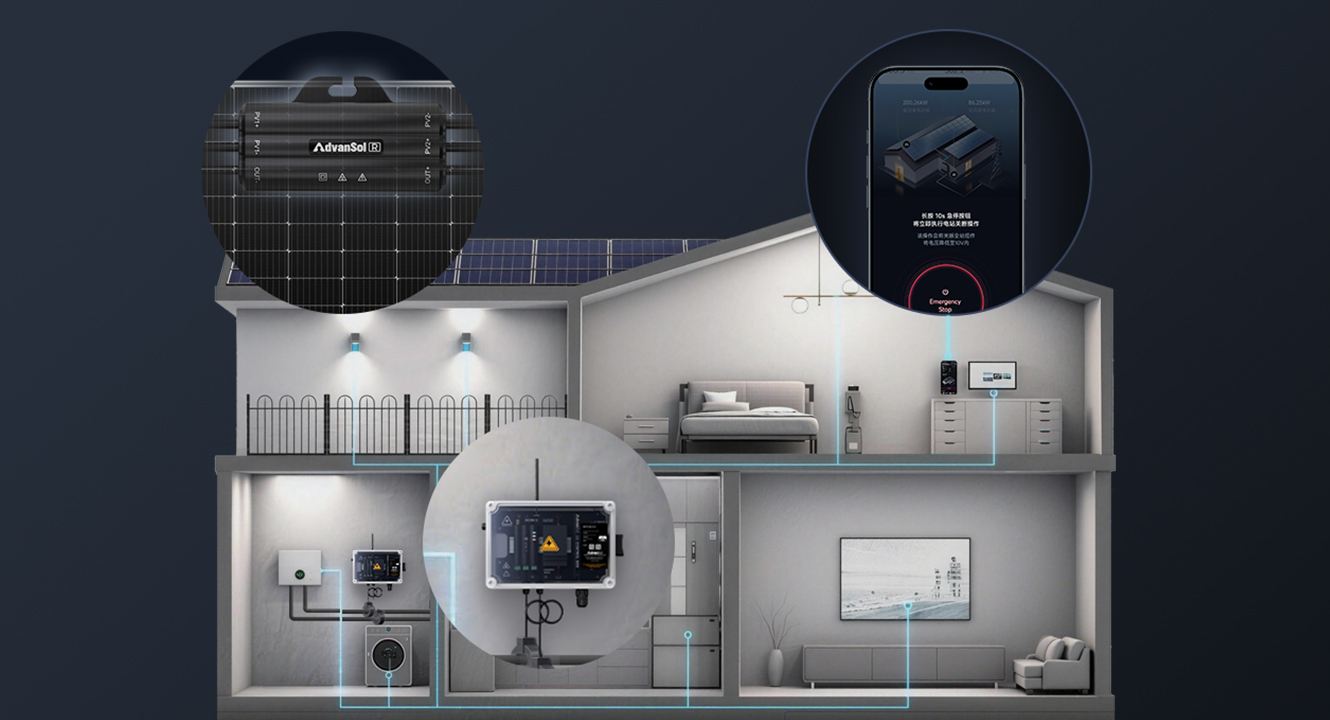
R Series
Module-level rapid shutdown solution.
Designed to support module-level shutdown requirements.
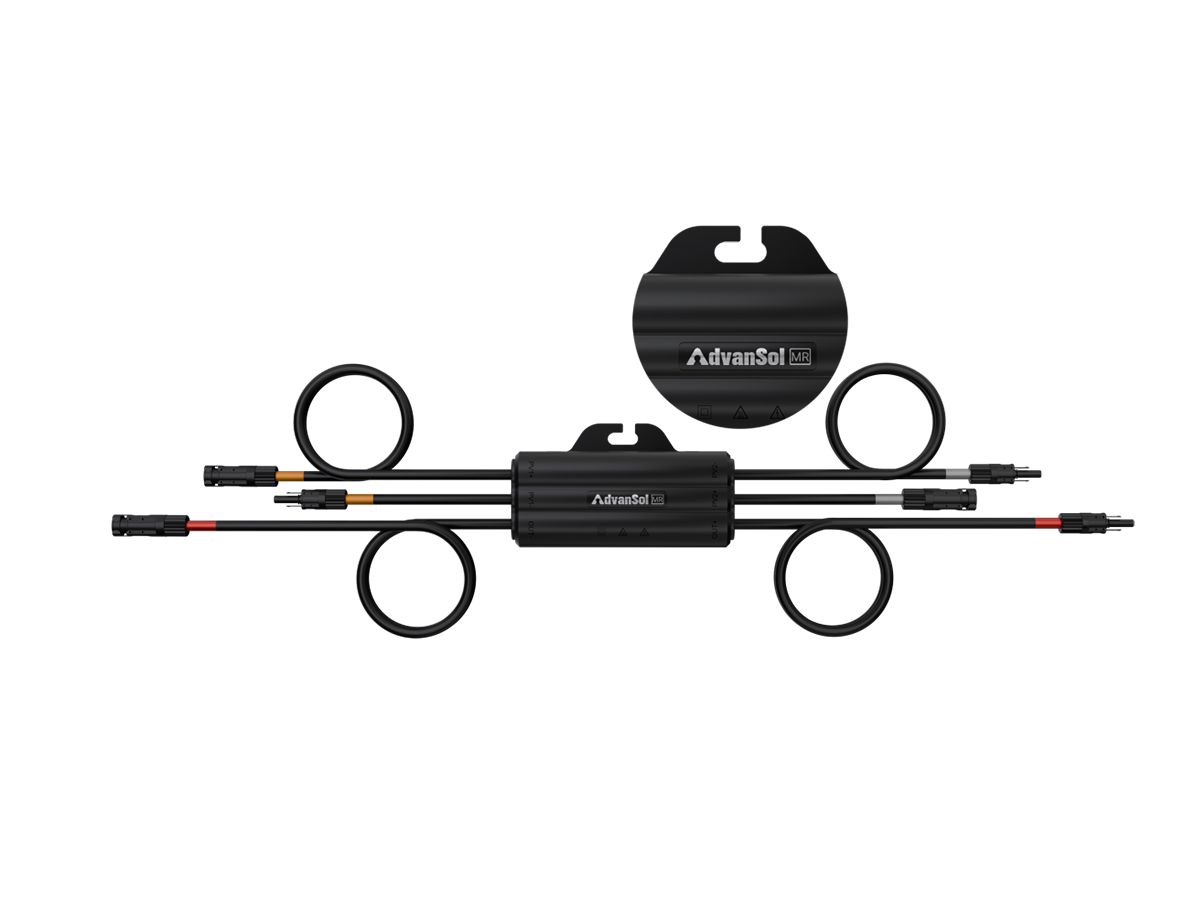
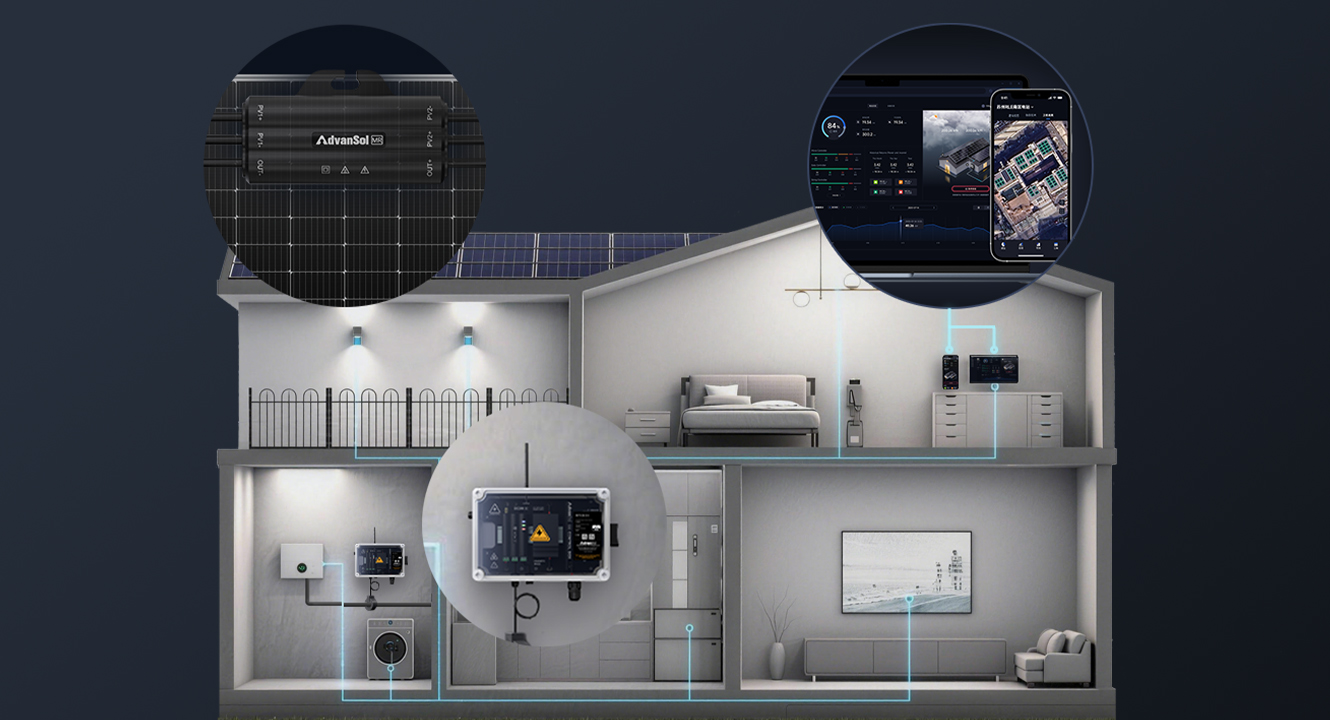
MR Series
Rapid shutdown combined with module-level monitoring.
MR Series helps provide greater system visibility through module-level operating data.
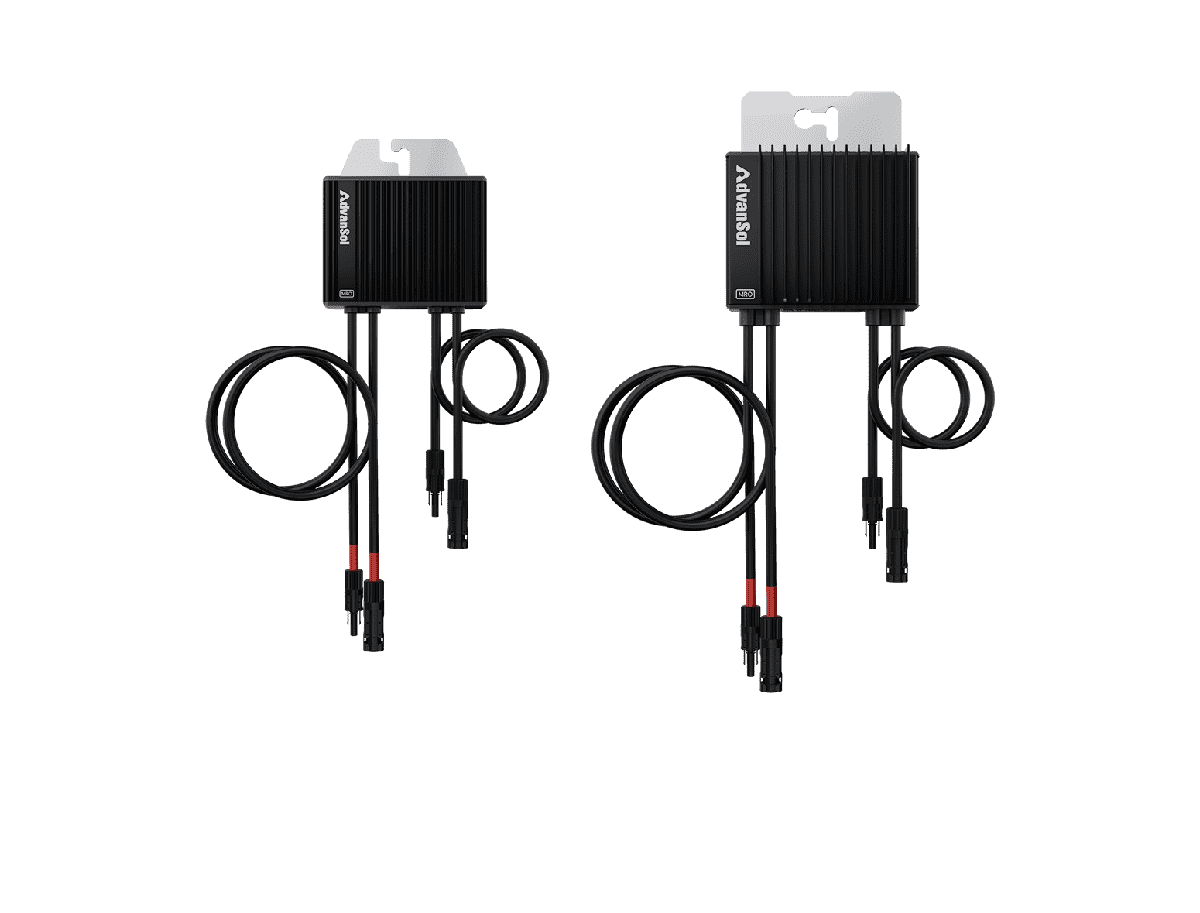
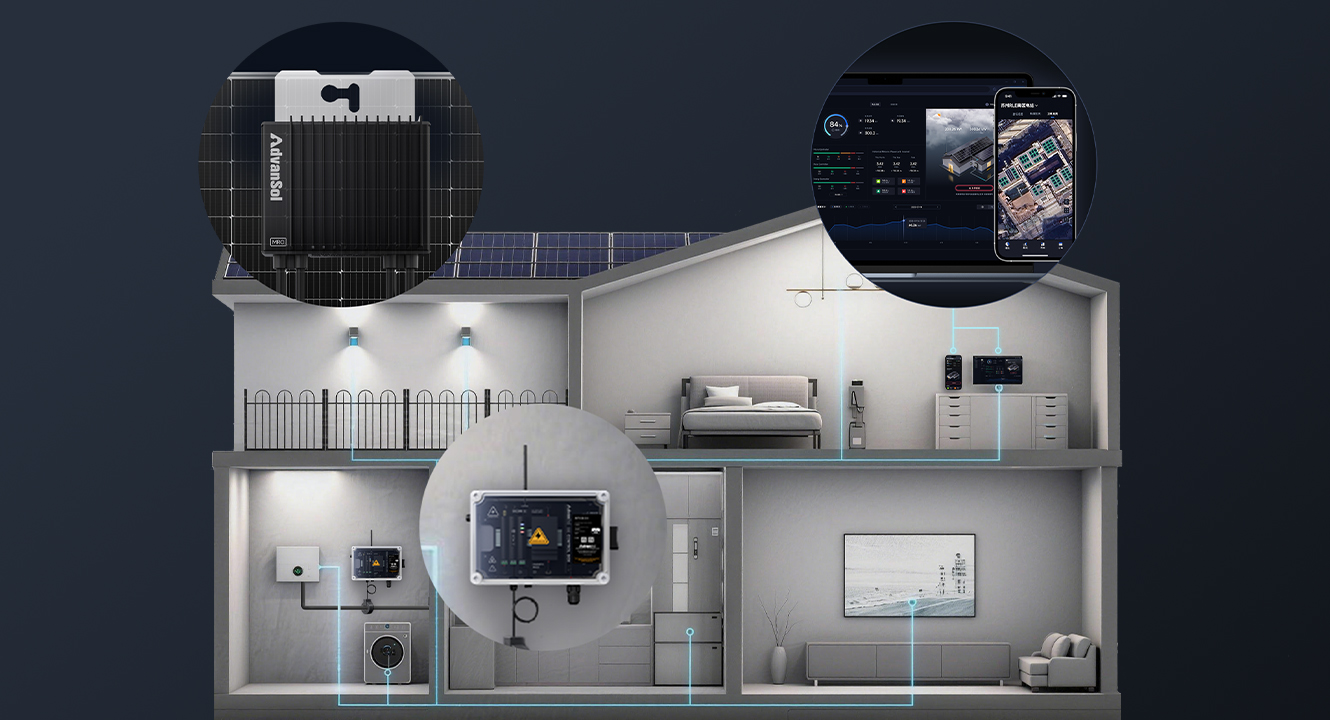
MRO Series
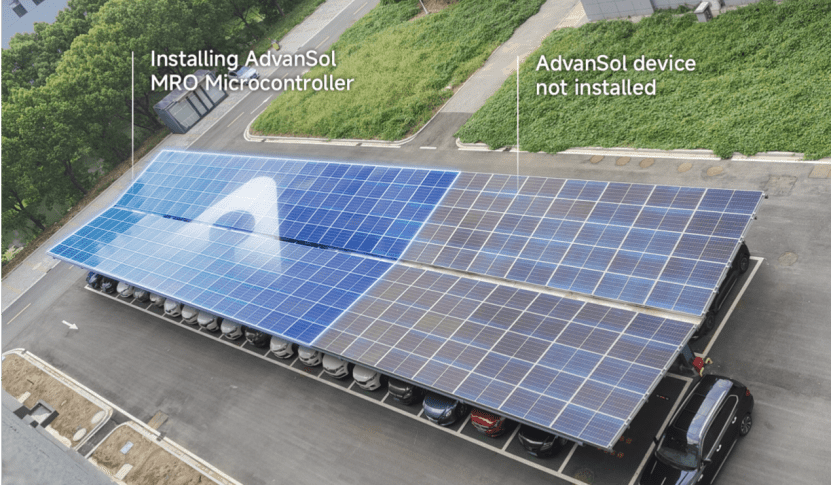
Rapid shutdown, module-level monitoring and MPPT optimization.
MRO Series is designed for applications where additional module-level optimization capability is required, such as projects facing mismatch or more complex operating conditions.
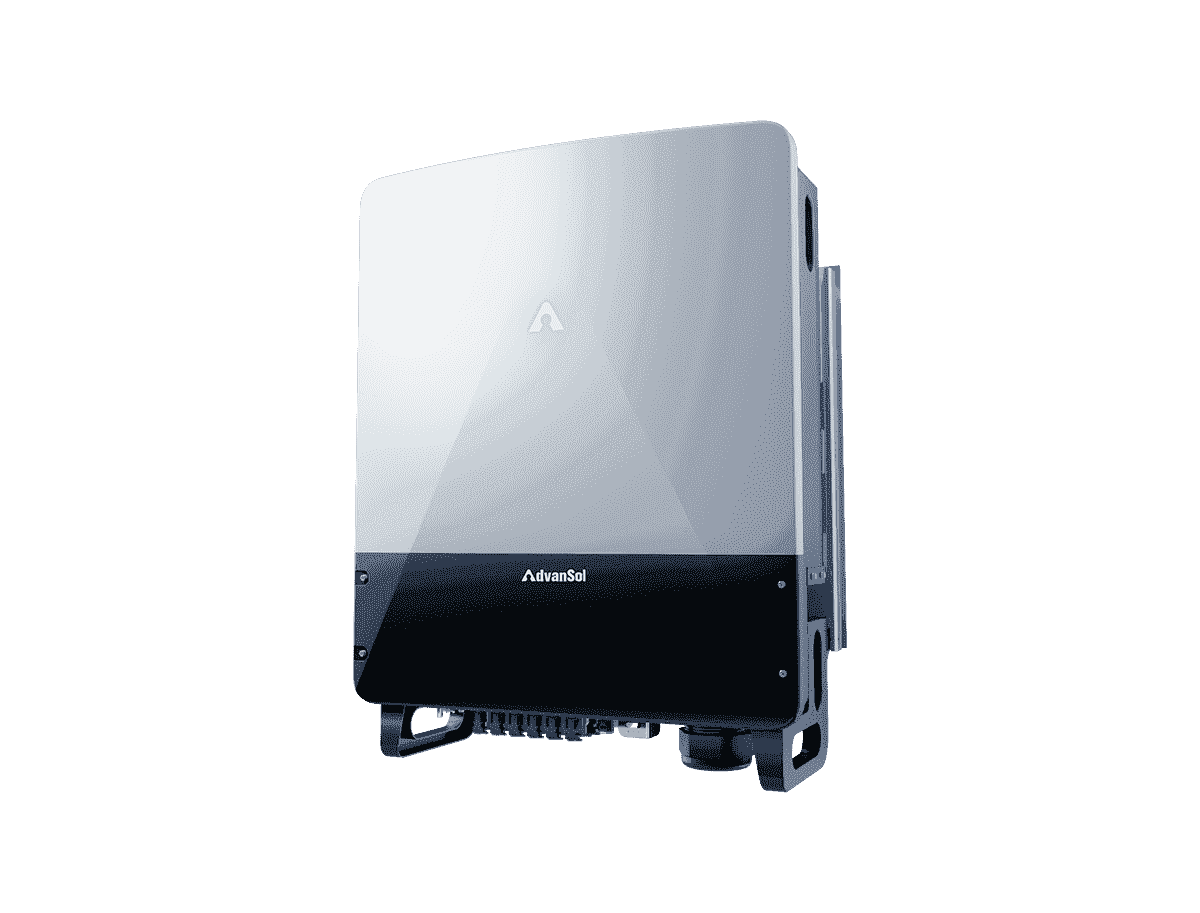
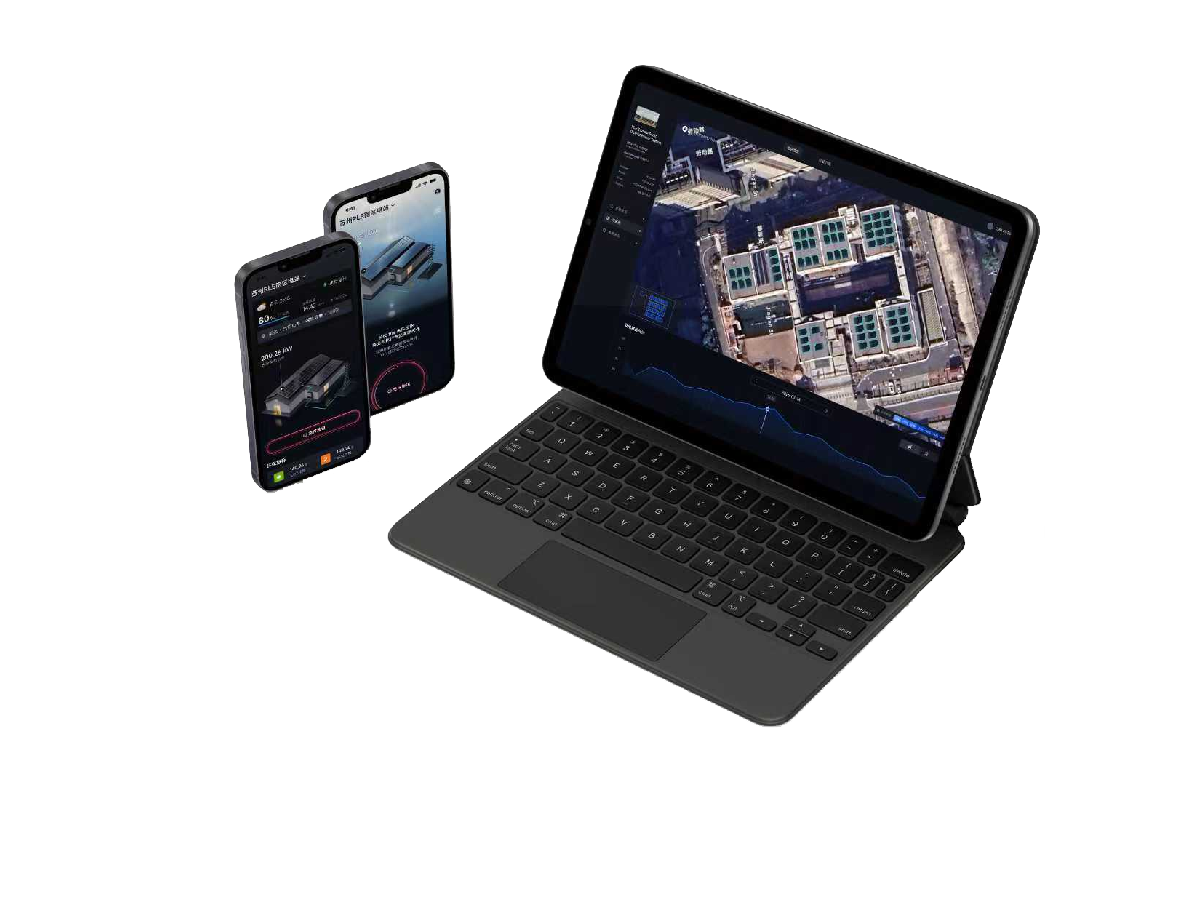
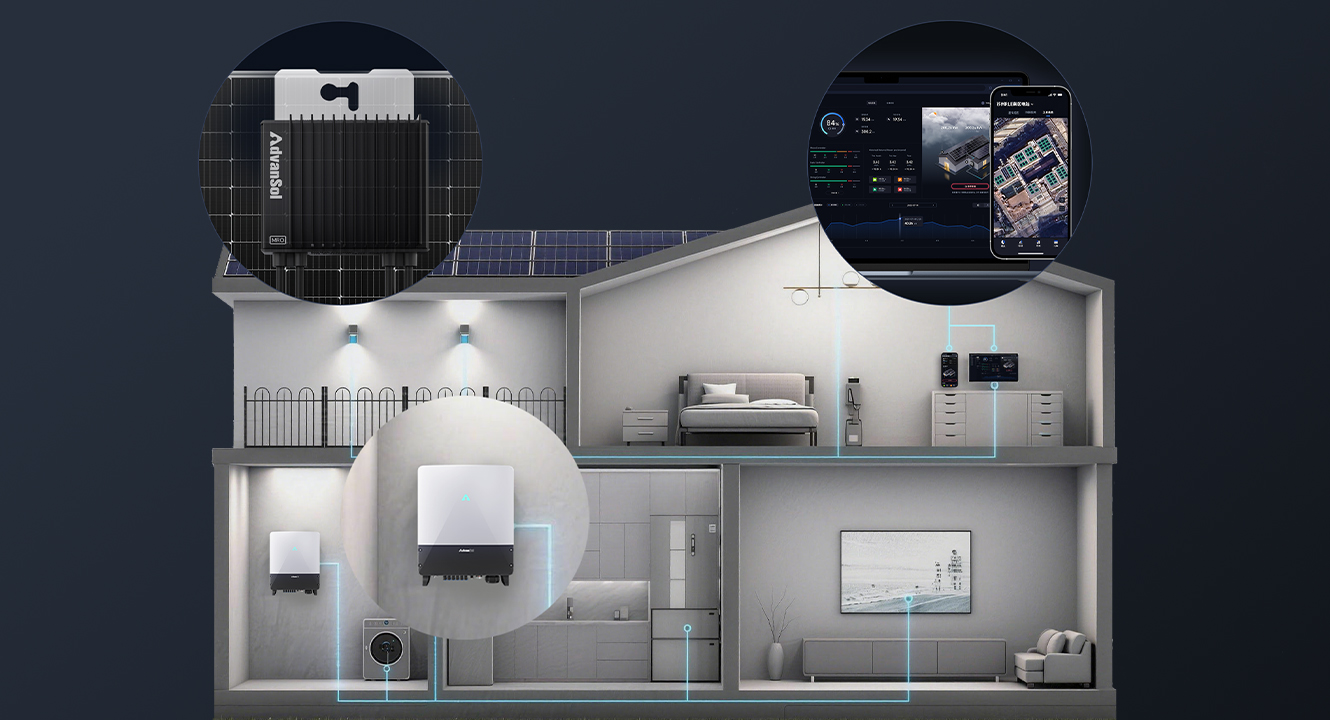
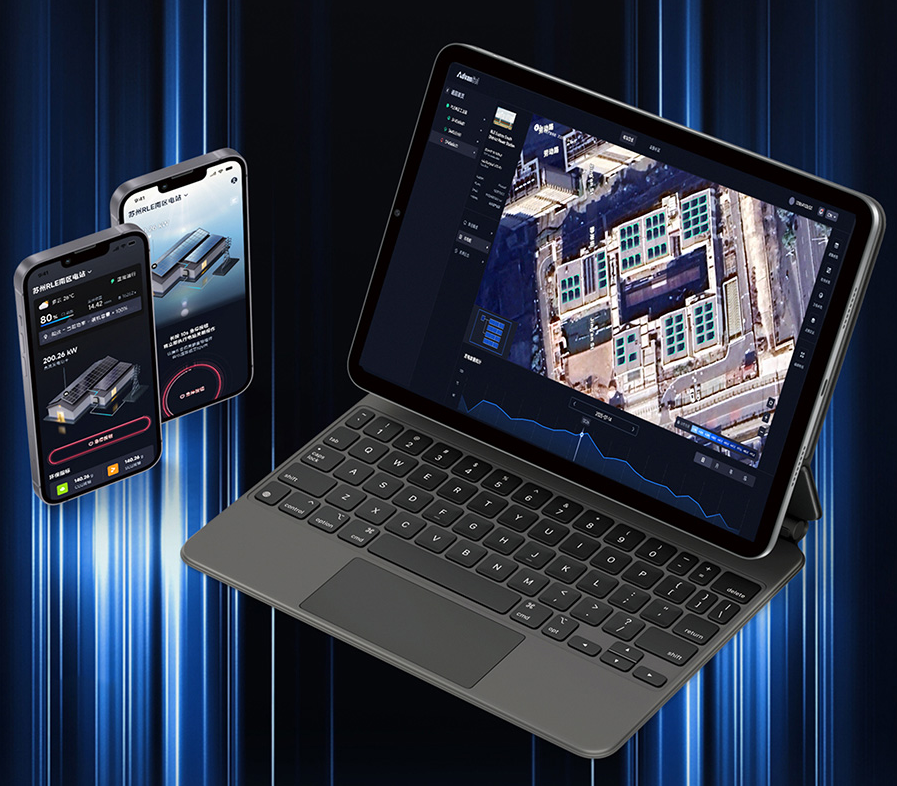
Together with AdvanSol DCON control equipment and the Acloud EOS platform, these solutions provide a technical foundation for:
Supporting Active Safety Protection
Beyond module-level monitoring and control, AdvanSol continues to develop additional safety-related capabilities.
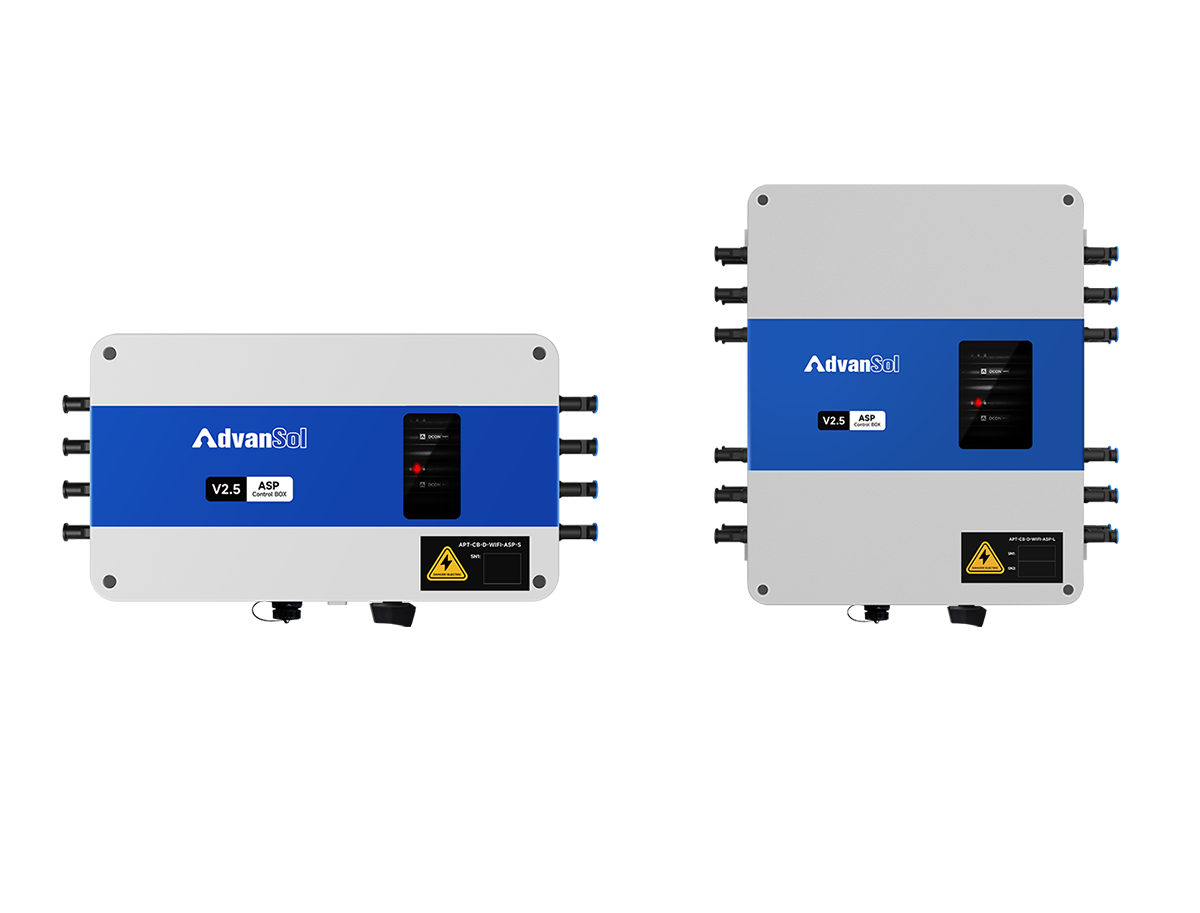
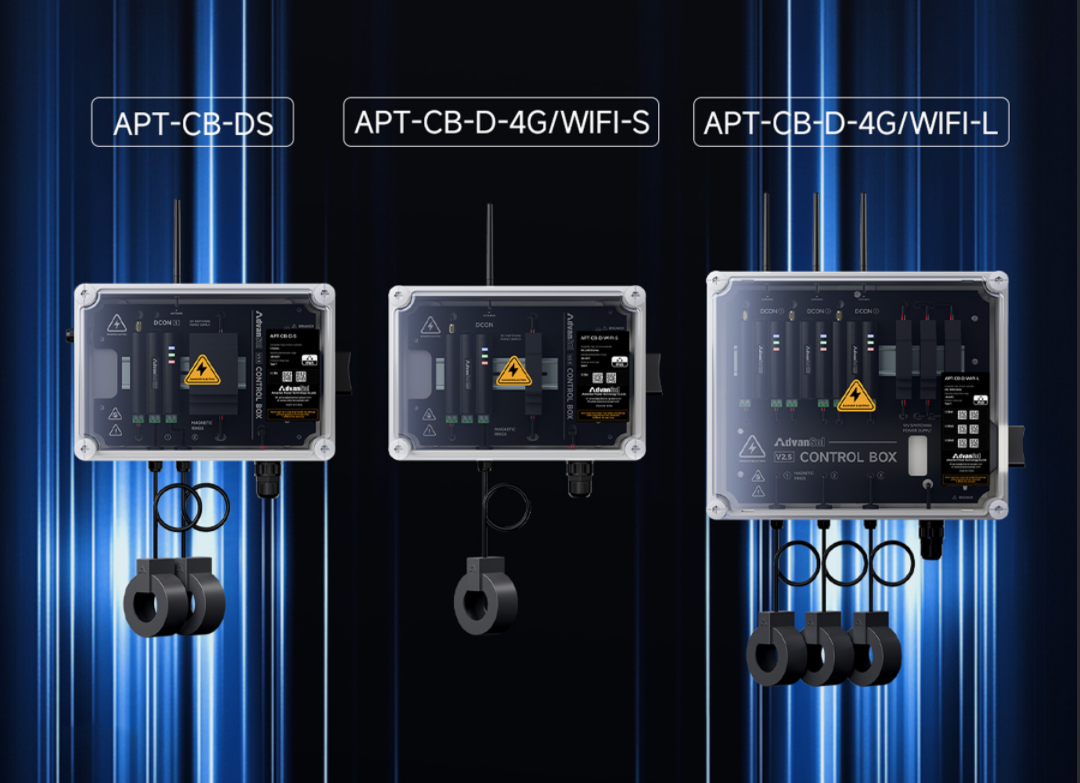
V2.5 Solution: Optional AFCI Functionality
Specified V2.5 DCON control box configurations can support optional AFCI functionality for DC arc fault protection.
AFCI-related capabilities and protection logic depend on product configuration and official technical documentation.
V3.0 Micro-String Solution
The V3.0 Micro-String solution (SC Series) integrates advanced module-level control architecture and can work with related safety functions according to system configuration.
Specific functions and protection scope are subject to official product documentation.
From Energy Generation to Module-Level Visibility
As C&I solar systems continue to expand, project management requirements are evolving.
The industry is moving beyond a simple question:
"How much energy is being generated?"
towards more detailed questions:
Is each part of the system operating as expected?
Can abnormal conditions be identified earlier?
Can maintenance teams respond with better information?
The value of module-level technology is not about adding hardware.
It is about placing the right capabilities where they are needed most — improving system transparency, supporting more efficient troubleshooting and enabling smarter long-term PV management.
About AdvanSol
AdvanSol specializes in module-level PV control technology, providing solutions covering rapid shutdown, module-level monitoring, MPPT optimization, data control and intelligent O&M support.
Through the R, MR and MRO series, combined with the Acloud EOS platform, AdvanSol helps C&I solar projects improve safety management, operational visibility and long-term maintenance capability.