The competition in distributed PV systems is shifting from “installed capacity scale” to “refined revenue management.” However, hidden losses in yield have long been overlooked, directly impacting IRR and the investment payback period. How to identify and eliminate these hidden losses at the system level has become a key challenge in the refined operation of distributed PV systems.
What are hidden yield losses in distributed PV systems?
Power Generation Loss: An Underestimated Systemic Issue
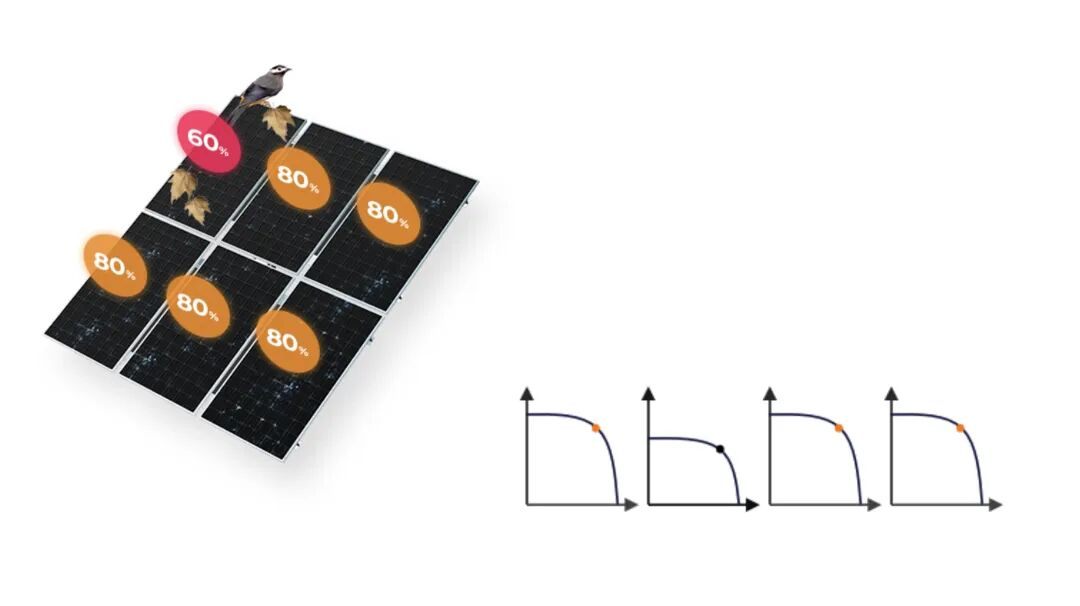
In real-world operating environments, PV plants commonly face various irreversible mismatch issues throughout the entire system lifecycle, including:
• Shading (buildings, trees, dust, etc.)
• Module aging differences
• Temperature and orientation variations
The direct consequence is:
Reduced performance of individual modules → Decreased string current → Limited overall power generation (the “bucket effect”).
Shaded areas are also prone to hot spot effects, which further exacerbate power loss and accelerate module degradation.
Typical loss range: 2%–15% (persistent over time), leading to significant cumulative energy yield loss and directly lowering the plant’s return on investment.
These “invisible losses” are one of the core drivers behind yield disparities in distributed PV systems.
echnical Principles of AdvanSol MRO Series Full-Function Optimizers
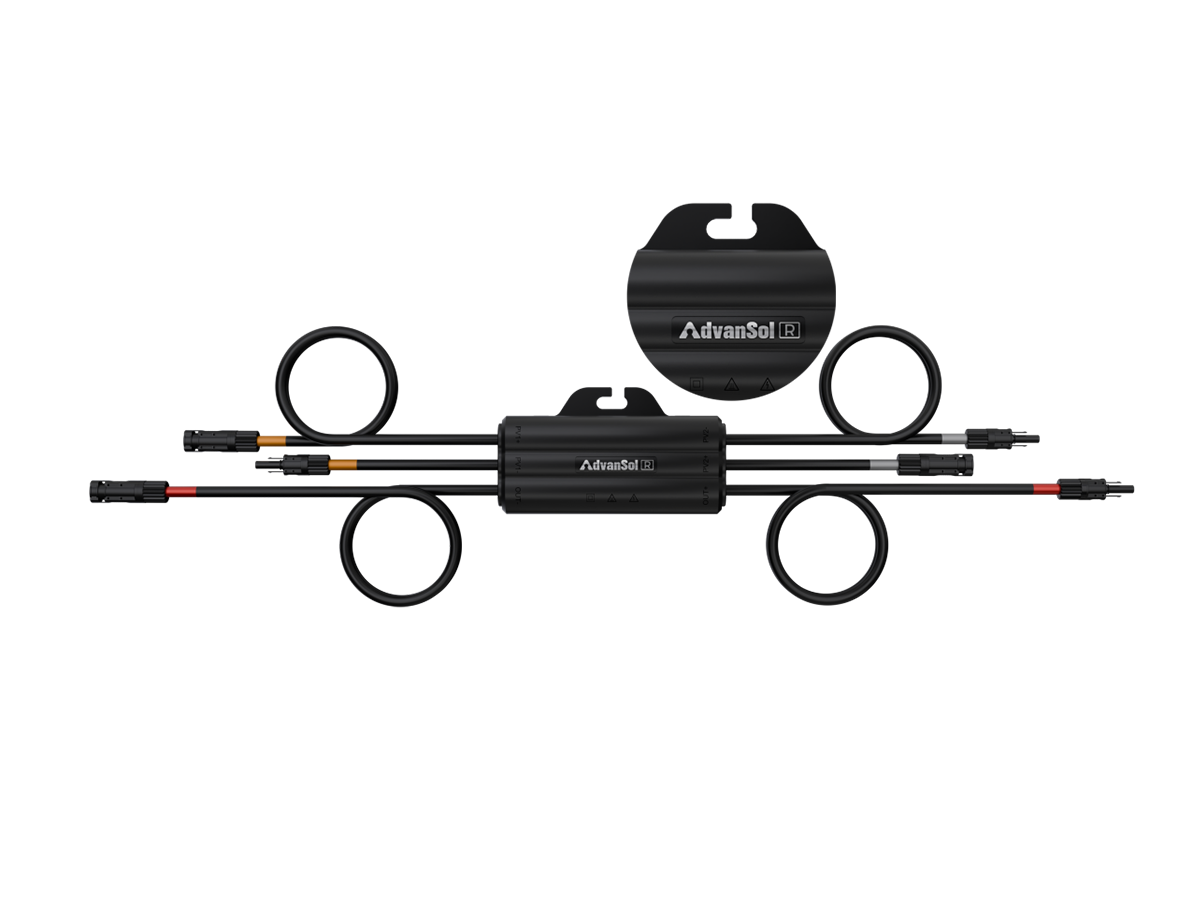
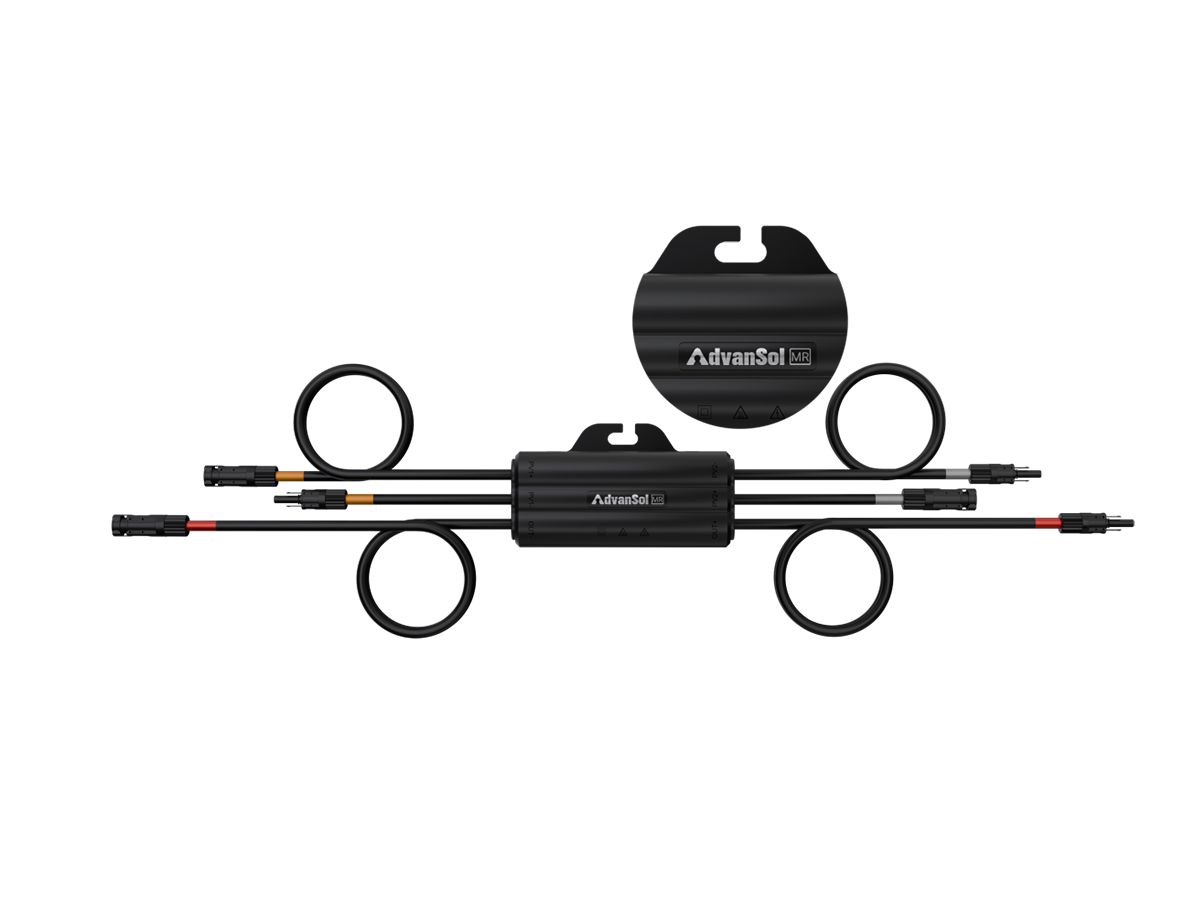
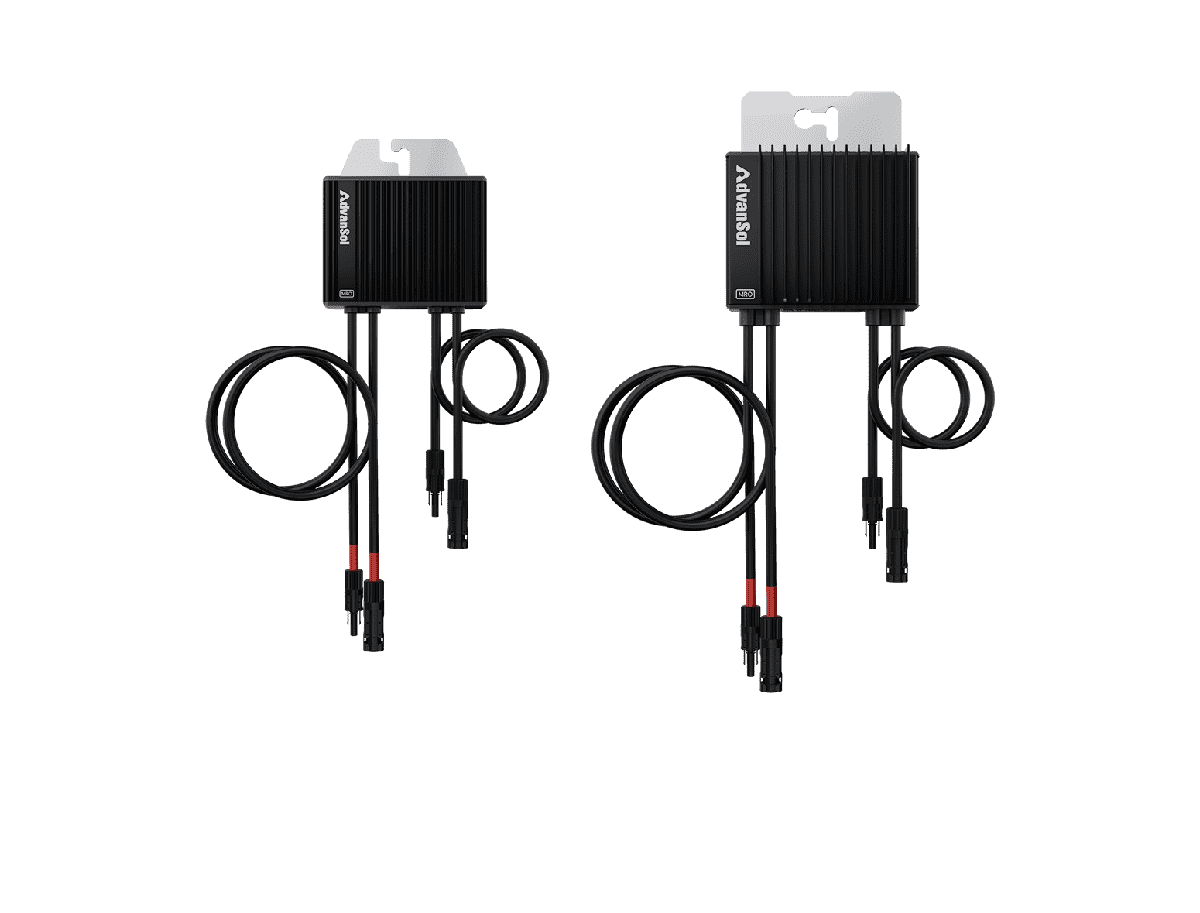
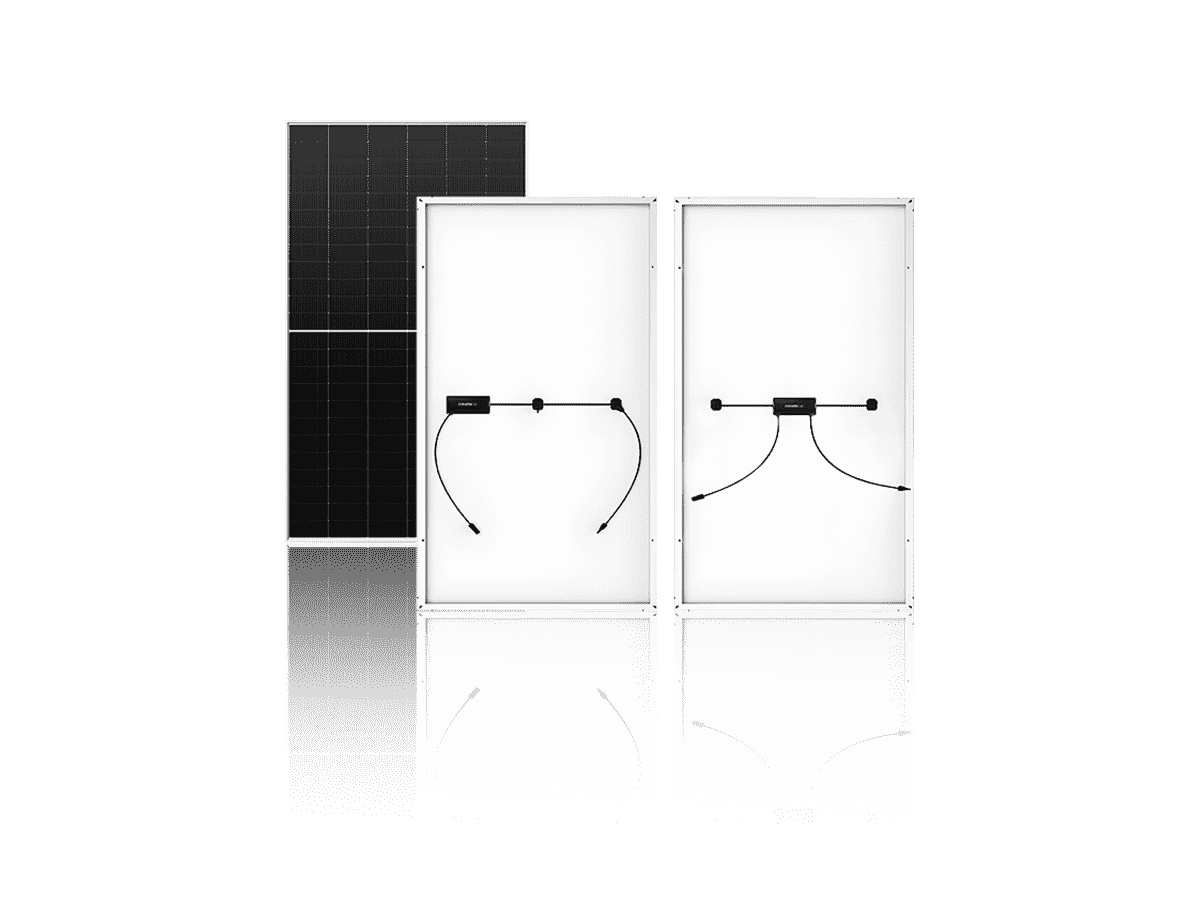
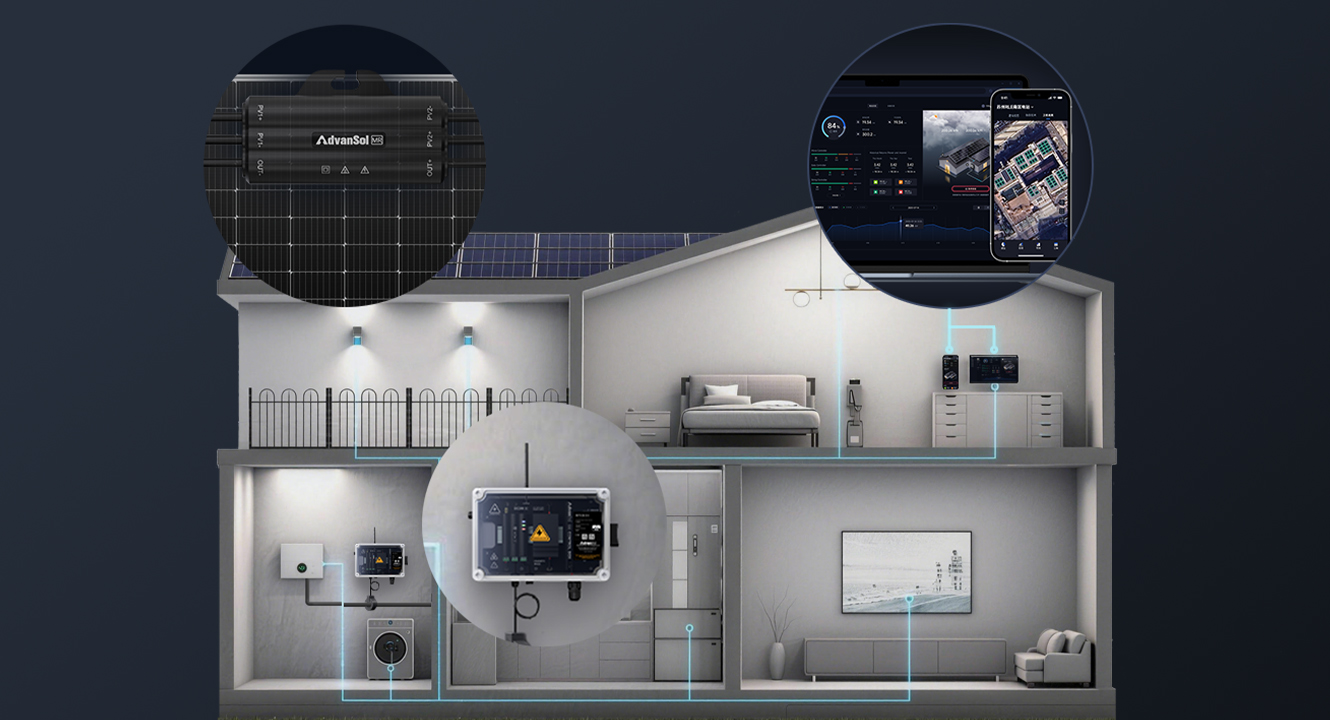
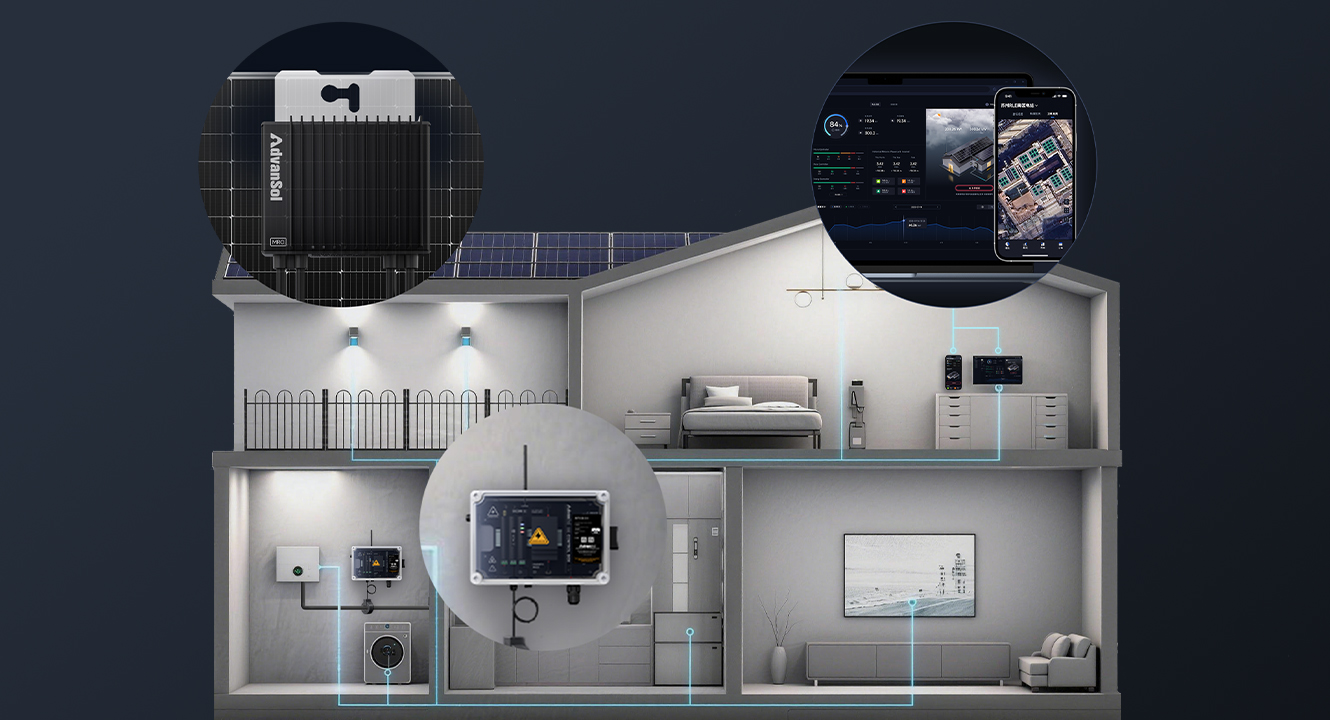
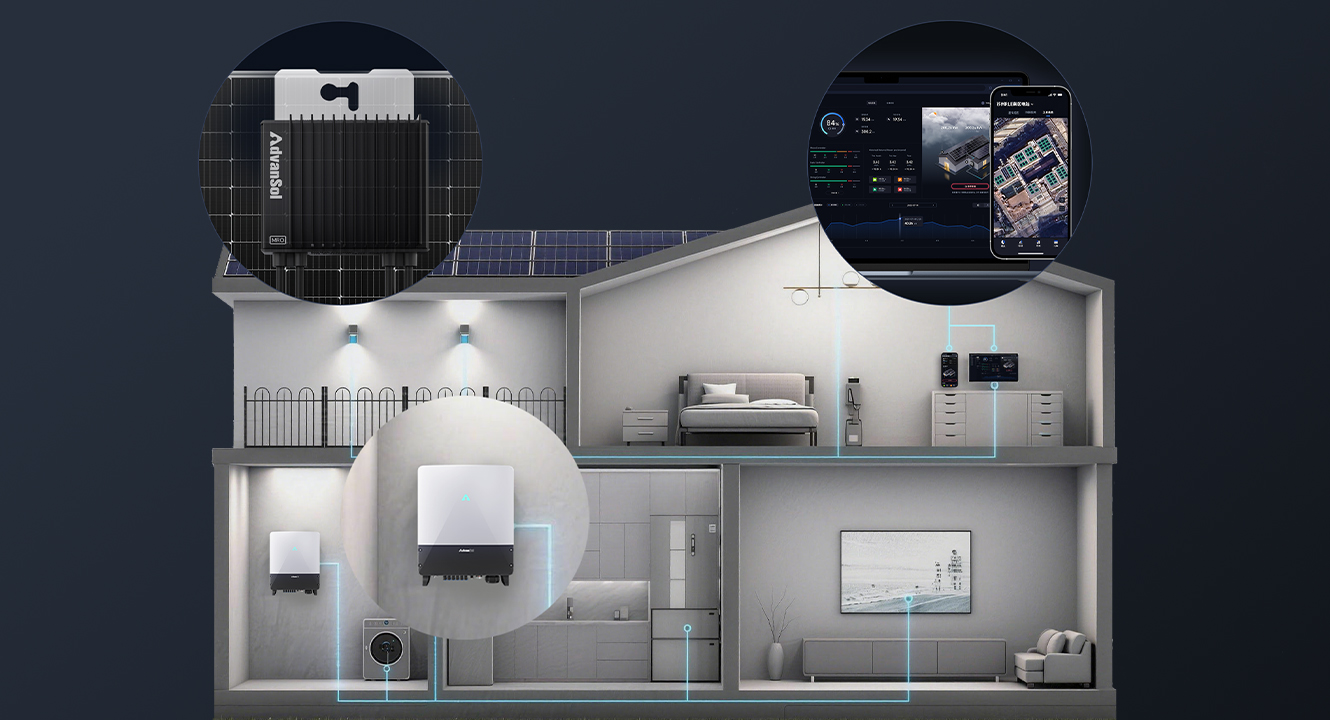
In response to the hidden yield loss issues mentioned above, AdvanSol full-function optimizers start from module-level control and utilize multi-dimensional technical approaches to fully unlock the system’s power generation potential.
Module-Level Independent MPPT:
Converting “lost energy” into “measurable gains”
Each optimizer monitors the output voltage and current of its connected module in real time. Through the Maximum Power Point Tracking (MPPT) algorithm, it dynamically tracks the maximum power point under current irradiance and temperature conditions, ensuring that each module always operates at its optimal output state.
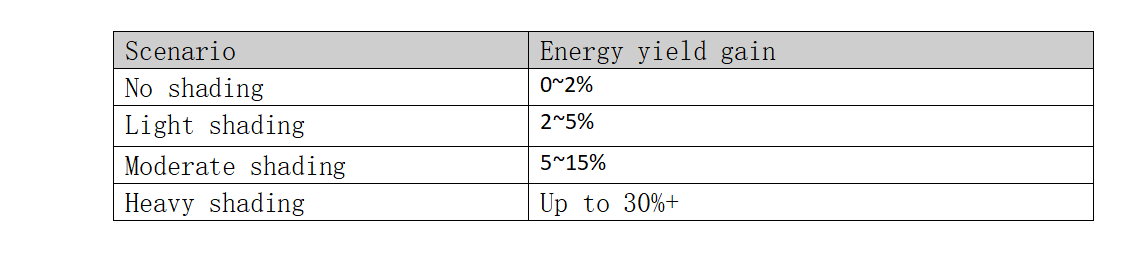
AdvanSol’s unique module-level optimization solution eliminates mismatch, suppresses hot spots, and dynamically adapts to environmental conditions. Under different shading scenarios, it achieves significant power generation gains, transforming the “lost energy” in traditional systems into “measurable gains.” The specific gains are as follows:
Working Principle:
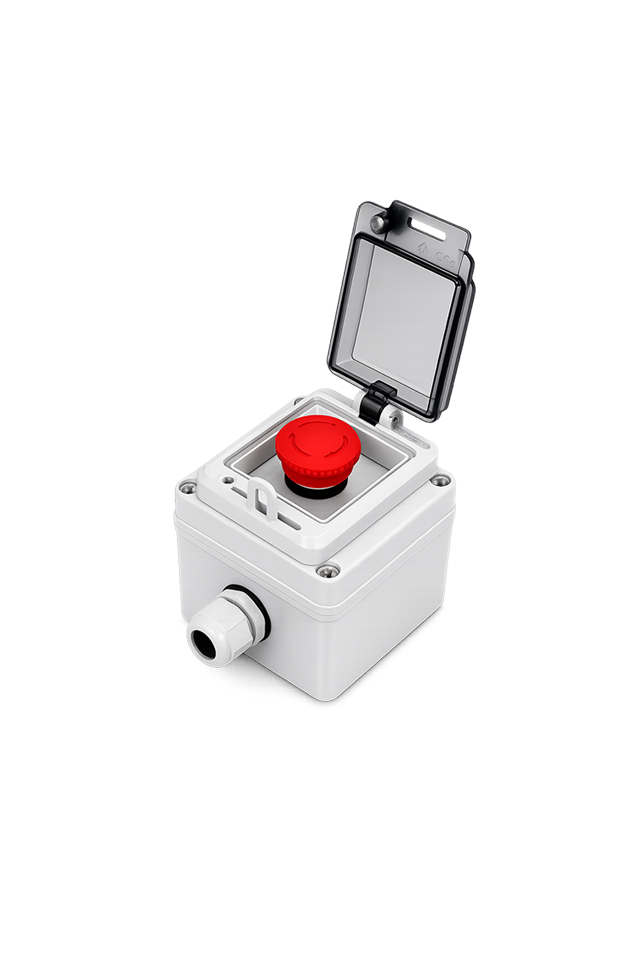
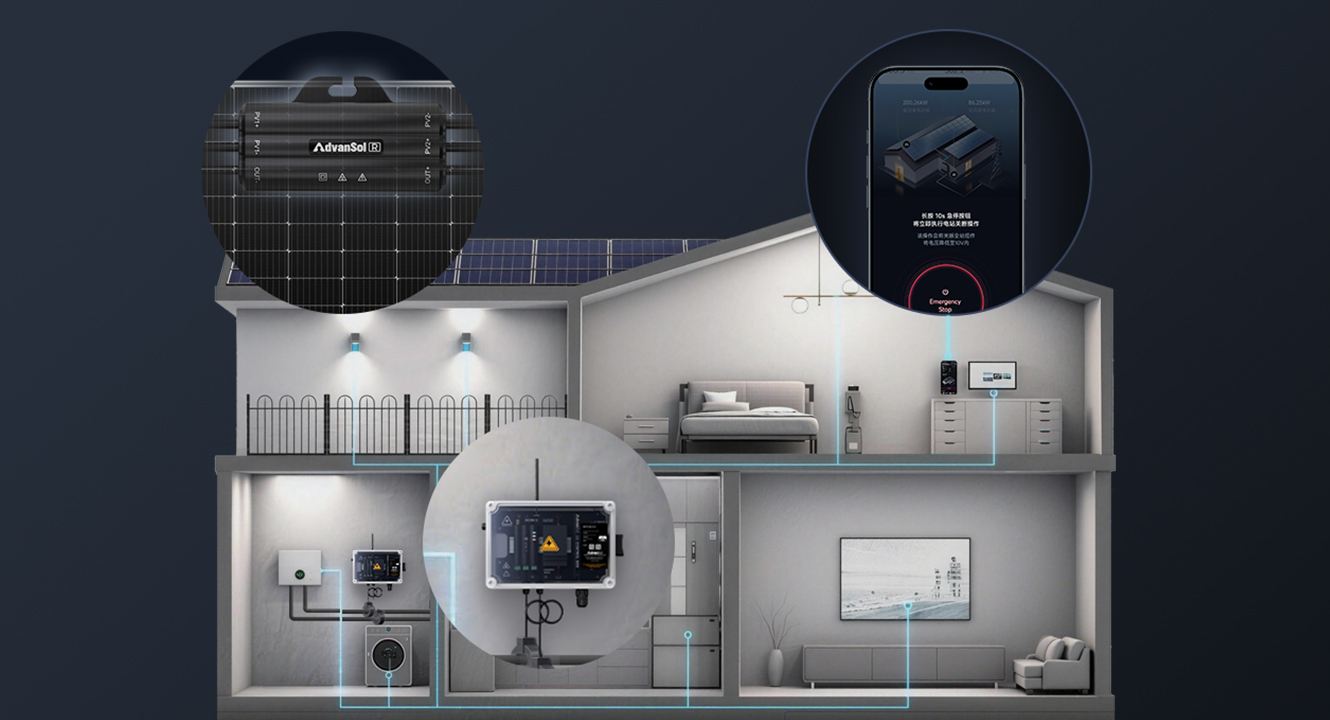
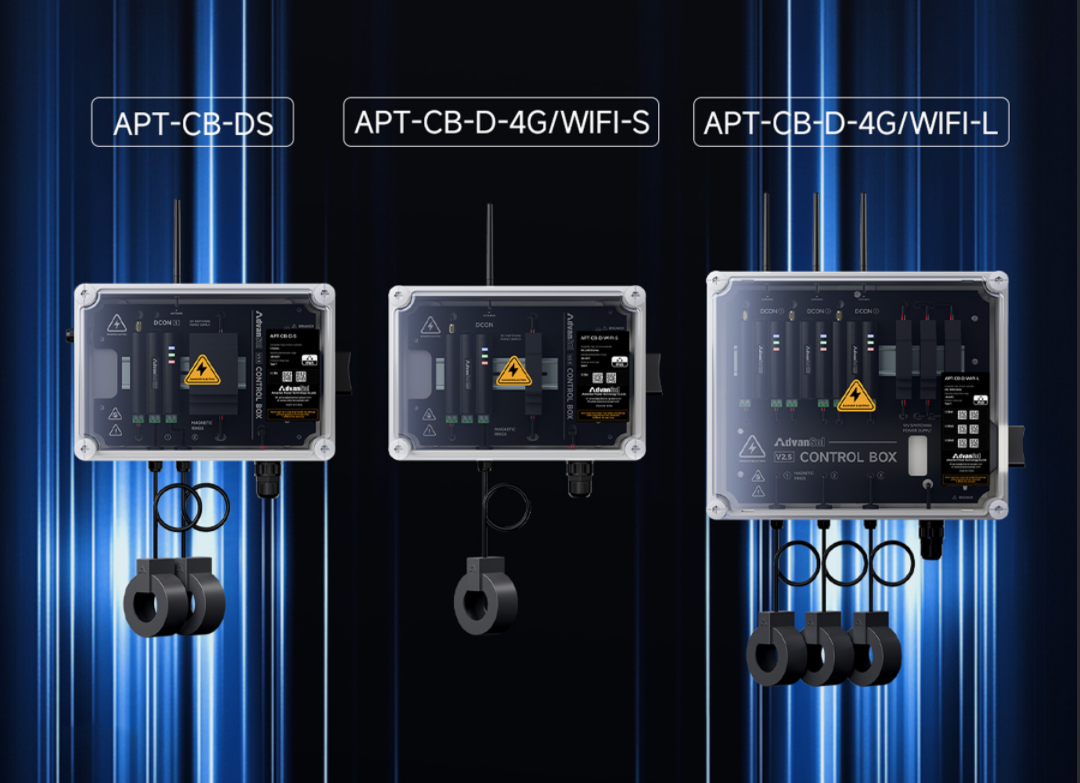
When a shutdown signal is sent from the inverter or control unit, the RSD module on each module automatically cuts off its output, interrupting DC high-voltage transmission and reducing the entire string voltage to a safe level.
AdvanSol Module-Level Rapid Shutdown Advantages
• Full Standards Compliance: Strictly complies with NEC 2017 / 2020 rapid shutdown requirements, and certified by UL, IEC, SGS and other international safety standards, ensuring full alignment with global PV regulations.
• Optional AFCI: Module-level products support optional AFCI, allowing flexible selection based on project requirements, enabling a transition from standard safety to dual-layer protection.
• Module-Level Active Safety: Each module is equipped with independent protection, forming a system-level dual safety loop.
• High Compatibility: Highly compatible with mainstream inverters, monitoring systems, shutdown devices, and modules from other brands.
• Intelligent Monitoring: Real-time detection of DC arc faults, with immediate current interruption under abnormal conditions, significantly reducing fire risks.
Multi-Gain Mechanism: Eliminating Hidden Losses at the Source
AdvanSol optimizer leverages three core mechanisms to eliminate power generation losses at the fundamental system level, maximizing overall system yield:
1.Eliminate Mismatch
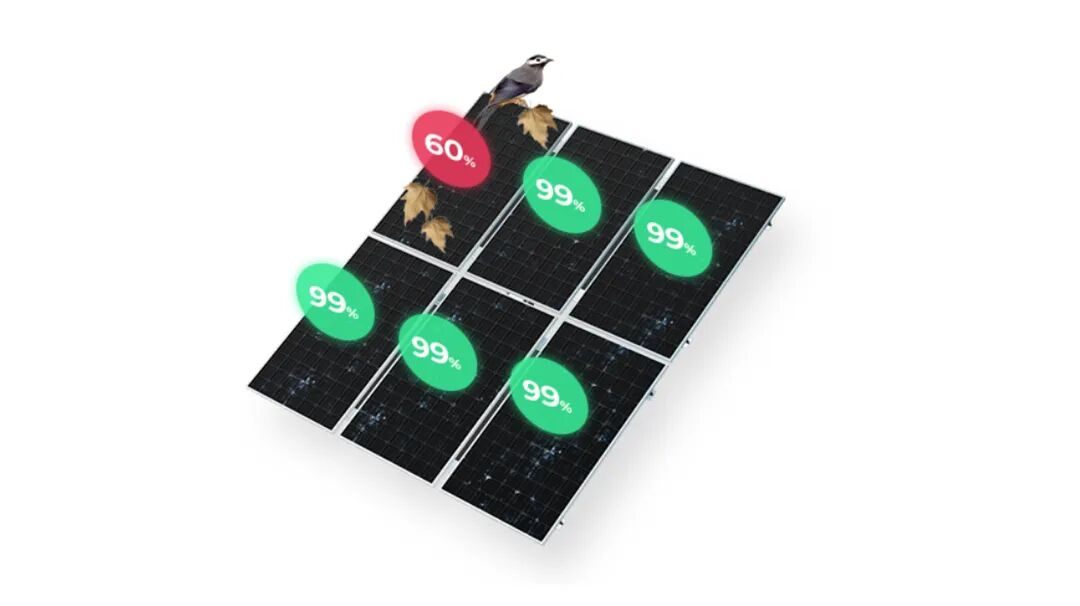
By providing each module with independent MPPT control and electrical decoupling, modules affected by shading, aging, or performance degradation can still maintain their maximum power output under current conditions, without dragging down other modules in the same string.
This mechanism effectively breaks the “bucket effect” in traditional string systems, optimizing the total string output and fundamentally resolving systemic mismatch issues.
2.Dynamic Environmental Adaptation
The optimizer continuously senses changes in irradiance, temperature, and shading, and dynamically adjusts module operating parameters to ensure each module operates at its optimal state under current conditions.
At the same time, the system adapts to dynamic scenarios such as seasonal changes and variations in solar elevation angle, avoiding persistent mismatch losses caused by environmental changes and ensuring stable energy yield throughout the lifecycle.
3.Suppress Hot Spot Losses
Through three approaches—blocking abnormal energy flow paths, intelligent current and voltage regulation, and independent MPPT control—the optimizer suppresses the formation of hot spots at the source.
Shaded modules no longer act as loads within the system or consume energy from other modules. This not only eliminates power loss caused by hot spots, but also effectively protects modules and extends the overall system lifespan.
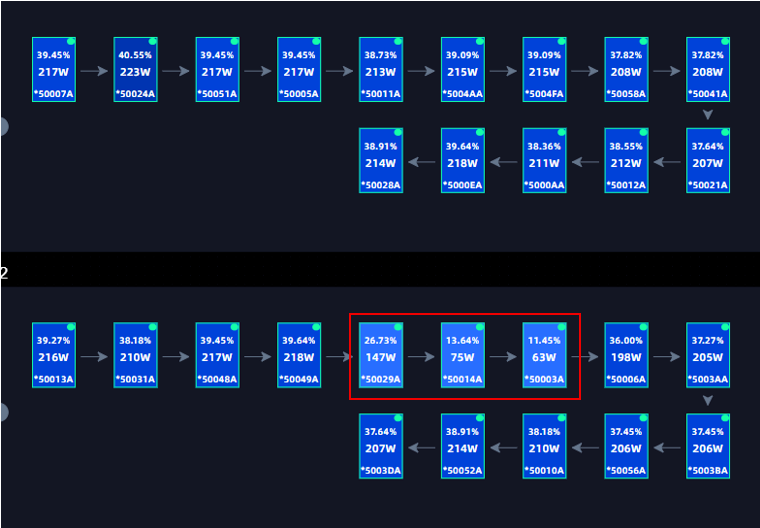
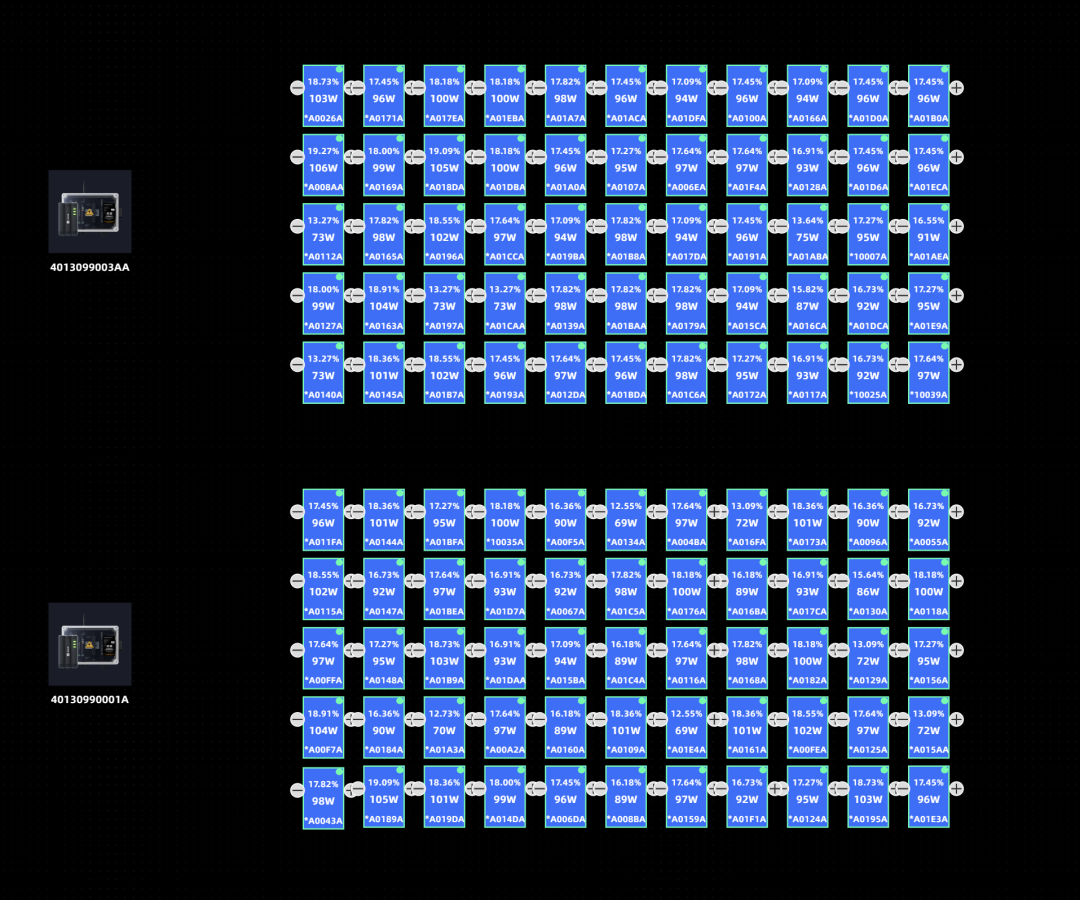
Through module-level real-time data on the AdvanSol Acloud platform, it can be clearly observed that after installing MRO optimizers, shaded low-power modules no longer affect the power generation of normal modules—demonstrating the energy gain recovered by eliminating mismatch losses.
Case Validation: Yield Improvement under Partial Shading Conditions
AdvanSol optimizers have been deployed at scale across various scenarios, including commercial and industrial carports, retrofit projects for aging power plants, and distributed systems in mountainous regions. Real-world project data demonstrates significant improvements in energy yield and value generation, with results closely aligning with theoretical models.
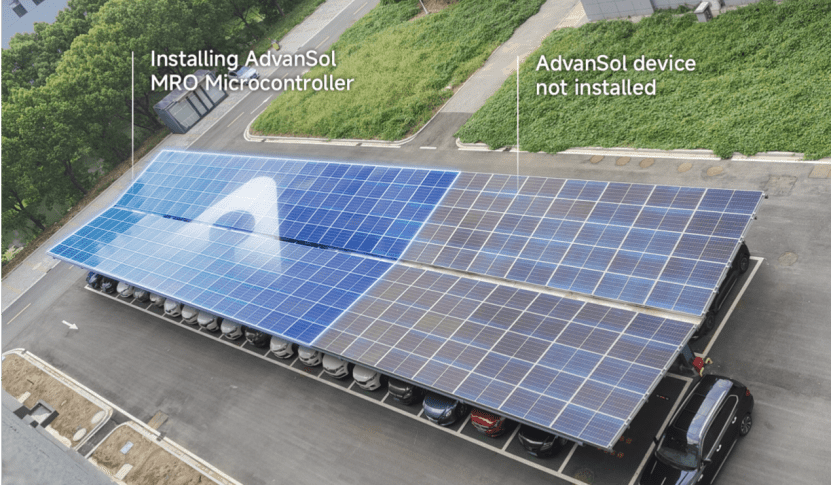
LM Carport Project Case
Project Overview:
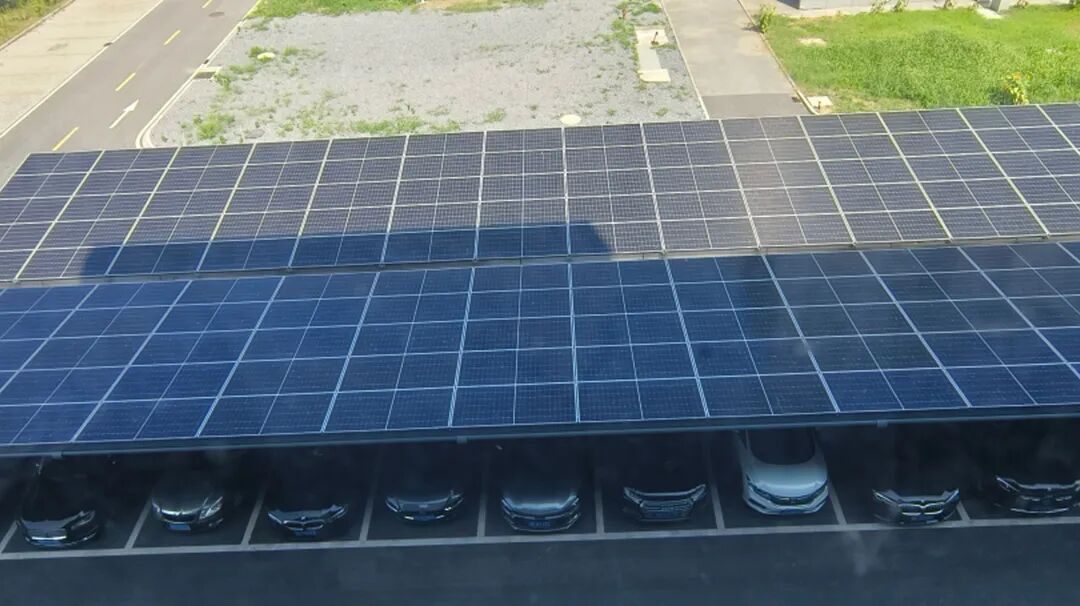
This project is a 121 kWp carport photovoltaic system equipped with 220 modules of 550 Wp each. The system is installed in a northwest–southeast orientation and is divided into two zones: northeast and southwest, each consisting of 110 modules.
•Northeast zone: No optimizers installed
•Southwest zone: 110 units of AdvanSol optimizers installed (Model: APT-MC-MRO)
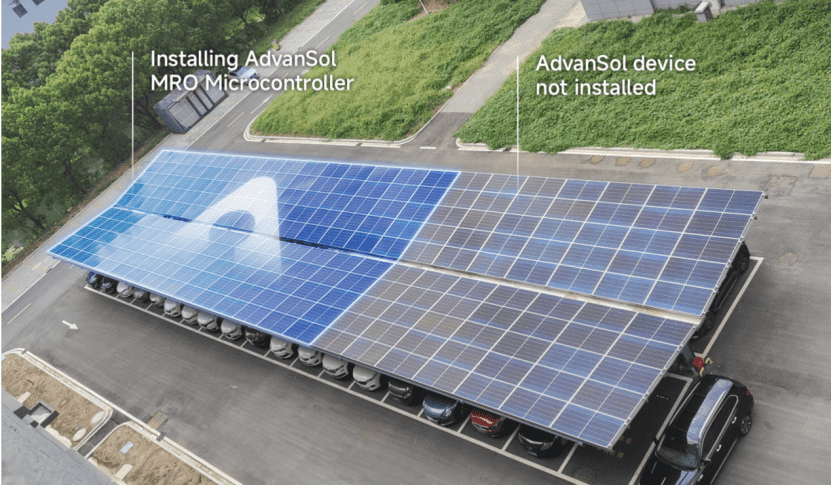
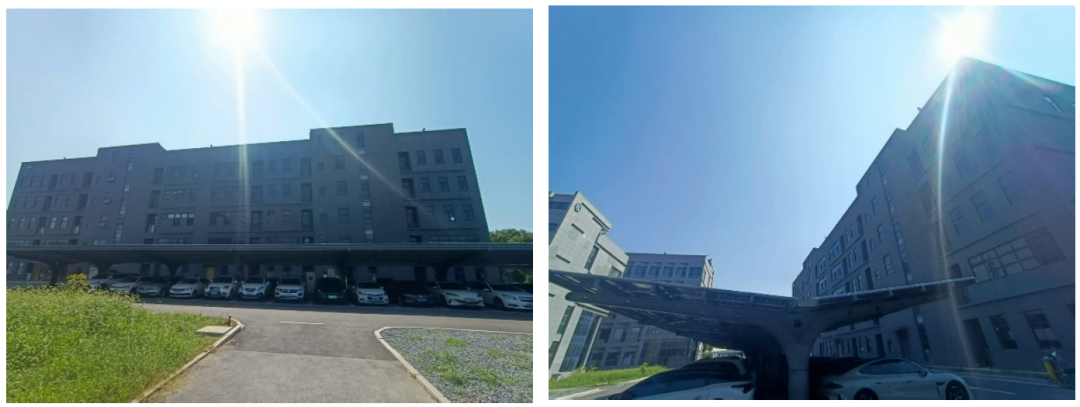
The project is located near tall buildings, resulting in significant fixed shading in the morning. It represents a typical moderate shading scenario.
Project Performance & Optimization Results
PV system safety should not rely solely on passive protection but should proactively protect from the design source. AdvanSol uses AFCI + module-level shutdown to build a dual safety mechanism: AFCI monitors DC arc faults in real time and quickly identifies abnormal current; module-level shutdown reduces the high-voltage circuit to a safe voltage within 30 seconds, effectively reducing the risk of fire and electric shock. The dual-insurance mechanism works in synergy to achieve full-chain safety management of PV power plants, ensuring that every watt of electricity is stably output under high reliability conditions.
1. Elimination of Mismatch Losses
Under shading conditions, modules in traditional systems are easily bypassed, resulting in large-scale 0 W output. With module-level MPPT control of the MRO optimizer, series mismatch issues caused by shading can be effectively avoided.
2. Significant Energy Yield Improvement
Based on PVsyst simulation analysis, the project achieves an annual energy yield increase of 7.9%.Combined with real operating data from the inverter platform, the system recorded an overall generation improvement of approximately 8% as of January 2026, closely matching simulation results and validating the technical approach.
3. Clear Seasonal Performance Advantage
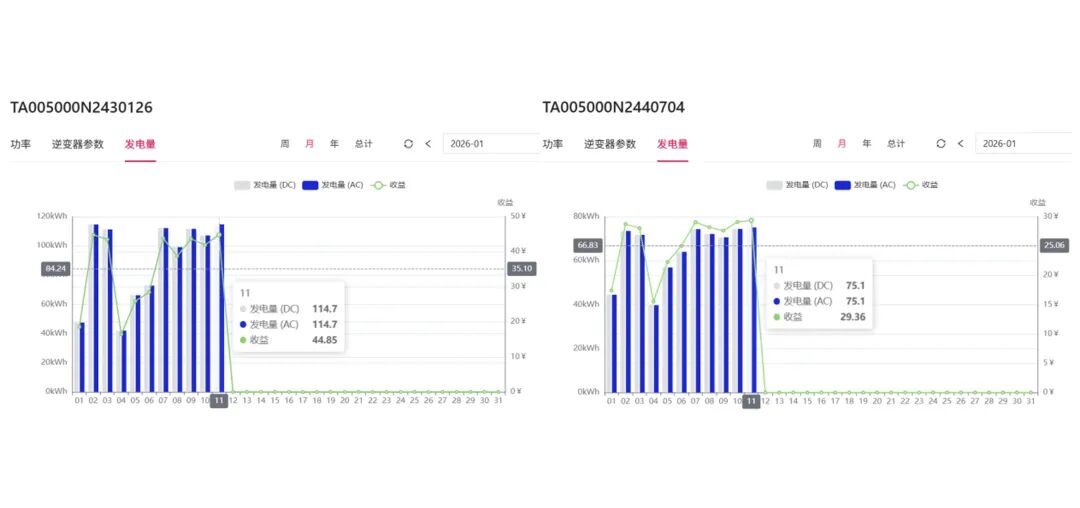
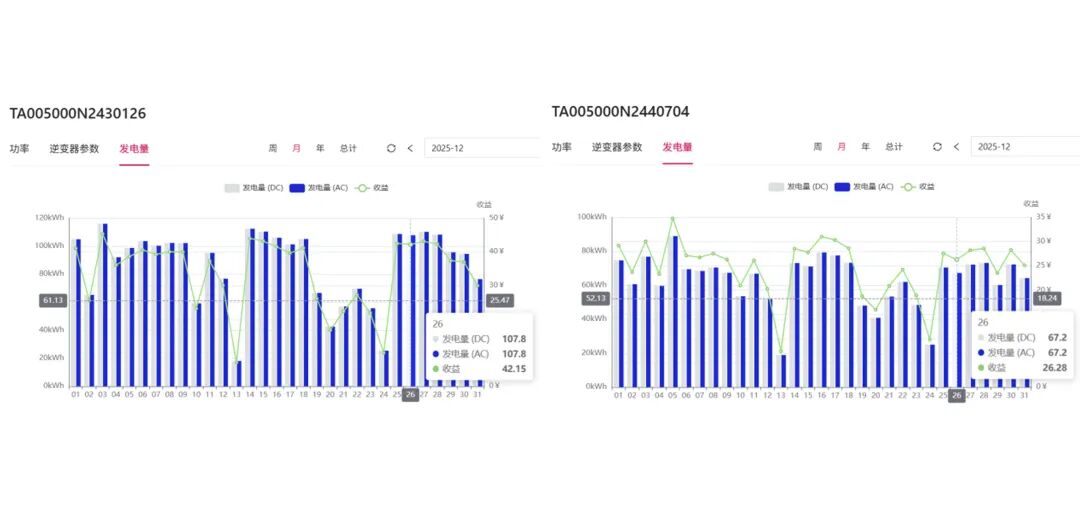
•Summer: lighter shading conditions, monthly gain of approximately 5%
•Winter: lower solar elevation and increased shading impact, monthly gain up to 37%
•Extreme conditions: peak daily gain reaching 60.4%, effectively compensating for seasonal efficiency losses
Conclusion
From “invisible losses” to “quantifiable gains”
AdvanSol full-function optimizers, through three core capabilities—module-level control, dynamic adaptability, and hot-spot suppression—transform long-overlooked system losses into sustainable energy yield gains. This not only improves power plant efficiency but also reshapes the revenue model of distributed PV systems.
In the future PV market driven by high-quality development, those who can more effectively reduce hidden losses will truly take control of power plant profitability.