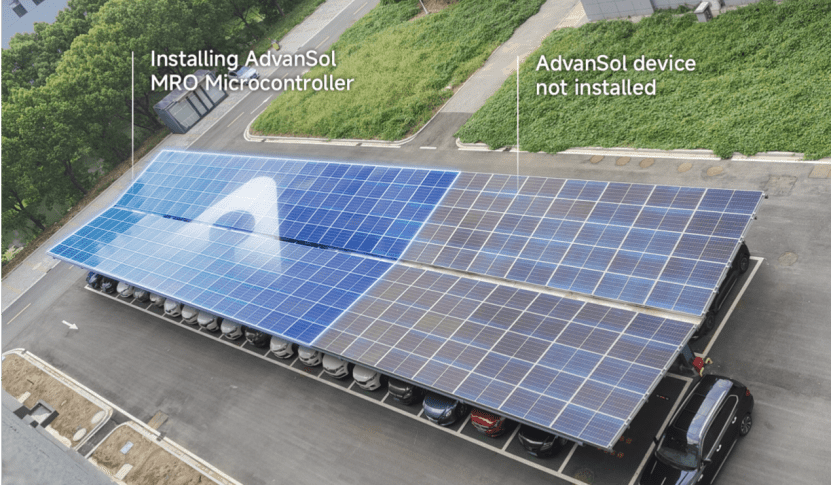
With the continuous growth of global PV installations, solar penetration rates are steadily increasing. In particular, rooftop distributed systems have evolved from low-voltage to high-voltage configurations — with single-string voltages commonly exceeding 1000V, and even reaching 1500V. However, high-voltage DC systems inherently pose major safety risks: loose connectors, aging insulation, and poor soldering can all lead to DC arc faults. This “invisible flame” is difficult to detect by eye but can ignite a fire within seconds.
Therefore, preventing arc faults at the source and achieving millisecond-level power shutdowns have become critical technological breakthroughs for ensuring PV system safety worldwide.
DC Arc Faults and AFCI
DC Arc Faults refer to a phenomenon in DC circuits where, even after the current is forcibly interrupted, the voltage remains high enough to allow the current to jump across an air gap — resulting in a continuous electrical discharge.
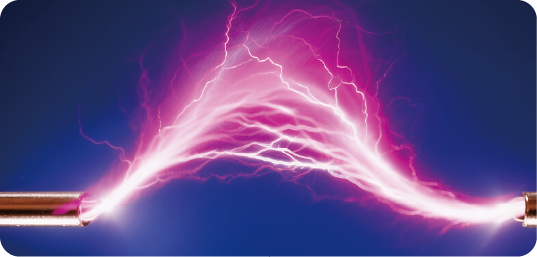
Key characteristics of DC arcs:
High persistence: Since DC has no zero-crossing point, once an arc is formed, it is difficult to extinguish naturally;
Extremely high temperature: Can exceed 3000°C, easily igniting surrounding materials;
Strong concealment: Often occurs silently at terminals, connectors, or junction boxes.
Common causes include: poor plug contact or loose connections, cold or cracked solder joints in module junction boxes, cable aging or insulation damage, animal bites, or construction damage.
What is AFCI — the “stethoscope and emergency valve” for arc faults
AFCI (Arc Fault Circuit Interrupter) uses intelligent algorithms to “understand” the language of electrical currents, identifying the unique waveform patterns of arc faults and cutting off the circuit before danger occurs.
Working principle:
Signal acquisition: Continuously monitors DC current and voltage waveforms;
Feature analysis: Extracts high-frequency features and noise signatures typical of arc faults;
Algorithmic identification: AI algorithms determine whether the waveform represents a real arc fault (distinguishing it from normal fluctuations);
Rapid protection: Once an arc is confirmed, the AFCI immediately issues a shutdown command to cut off the circuit.
What is module-level rapid shutdown
Module-level rapid shutdown (Rapid Shutdown Device, RSD) is the “emergency power-off device” of a PV system. When danger or a power outage is detected, safety regulations require that the module voltage be reduced to a safe level (≤30V) within 30 seconds. CSA test reports show that AdvanSol’s RSD can achieve shutdown within 15 seconds.
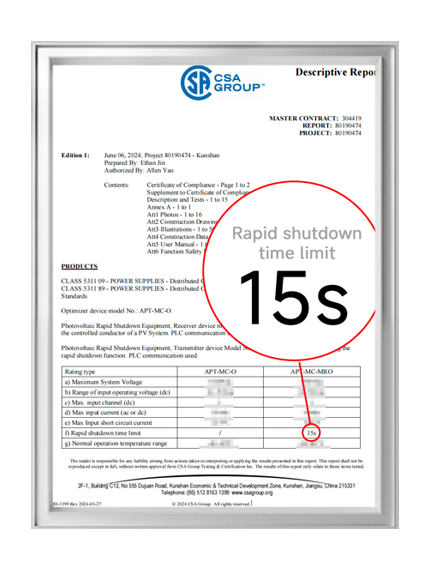
Working principle:
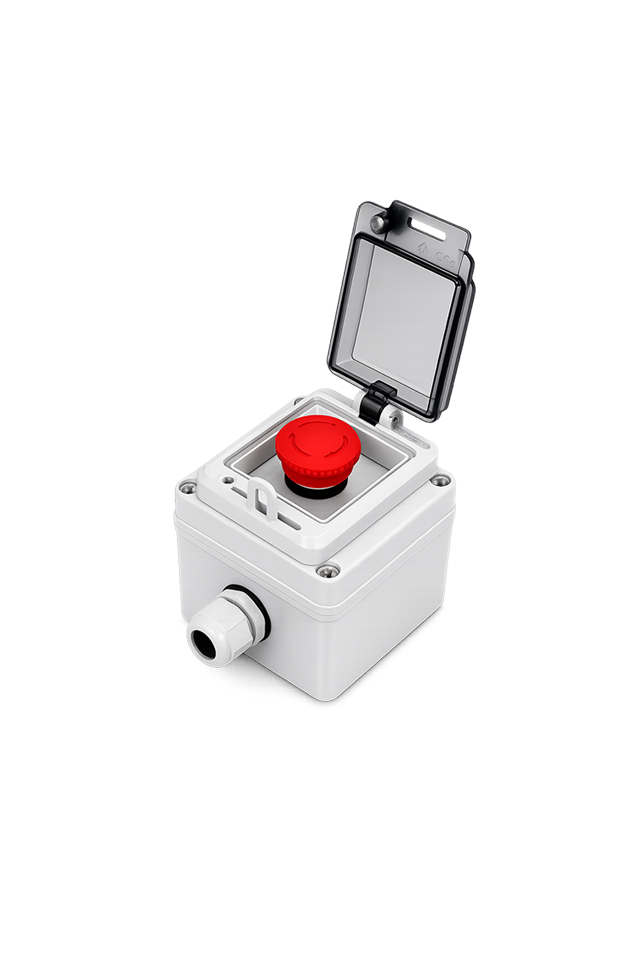
When the inverter or control unit sends a shutdown signal, each module’s RSD automatically cuts off its output, blocking high-voltage DC transmission and reducing the total string voltage to a safe level.
AdvanSol module-level shutdown advantages
Full standard compliance: Fully meets NEC 2017 / 2020 rapid shutdown requirements, certified by UL, IEC, and SGS, ensuring complete alignment with global PV safety standards.
Optional AFCI: Module-level products support optional AFCI integration, allowing flexible configuration from standard safety to dual protection.
Module-level active safety: Each module provides independent protection, forming a system-level dual safety loop.
High compatibility: Compatible with mainstream inverters, monitoring systems, shutdown devices, and modules from other brands.
Intelligent monitoring: Real-time detection of DC arc faults with instant current cutoff, significantly reducing fire risks.

AFCI + Module-Level Rapid Shutdown
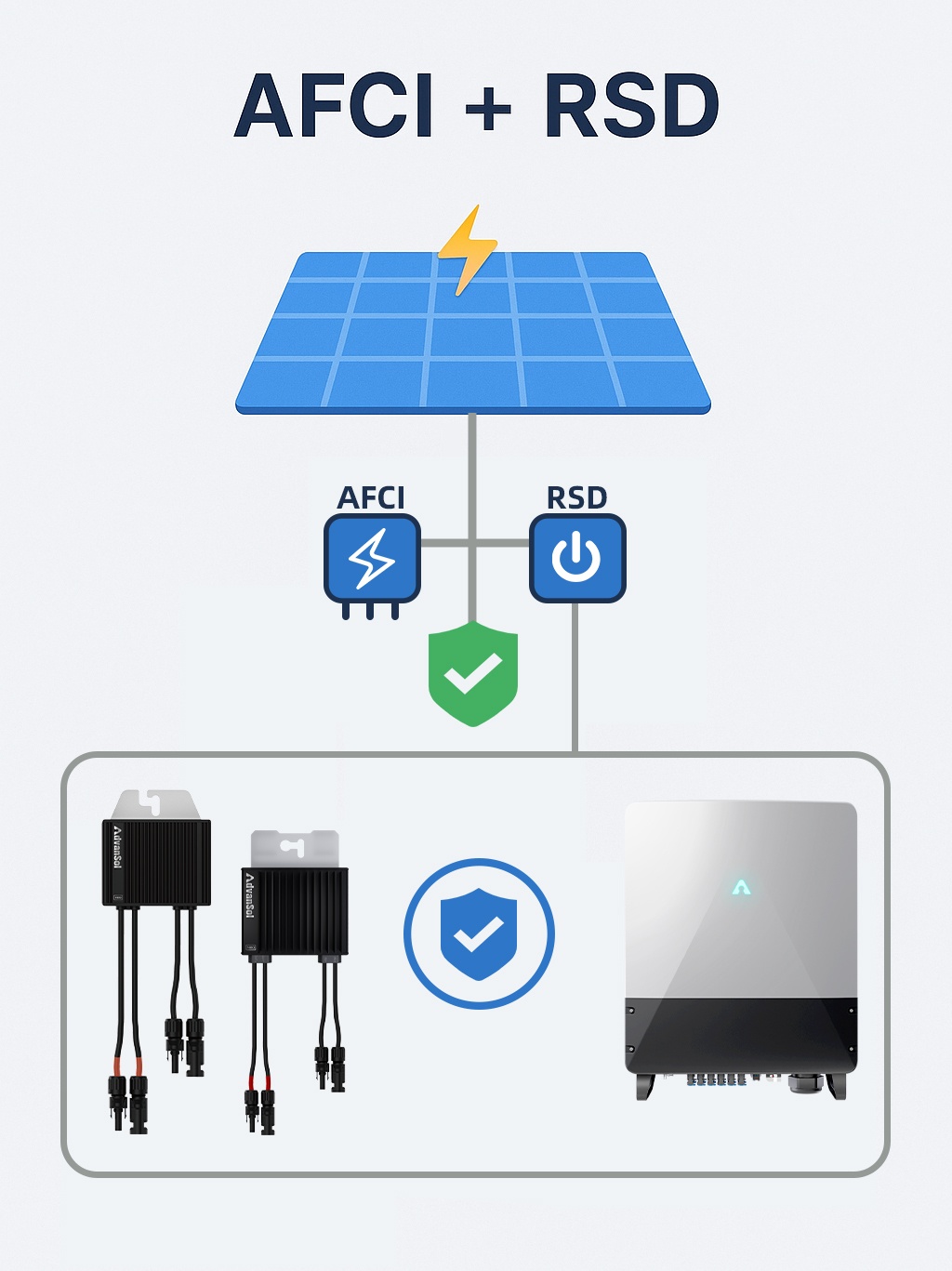
AFCI is responsible for detecting arc faults and triggering protection, while RSD executes shutdown and isolation. Together, they form a full-chain protection system from detection to response.
When the AFCI detects an arc signal, it can directly trigger the RSD to execute the shutdown command. The current is cut off, and the voltage drops rapidly, stopping the arc from continuing and preventing the spread of accidents. This dual mechanism of “detection + action” transforms PV system safety from passive defense to active protection.
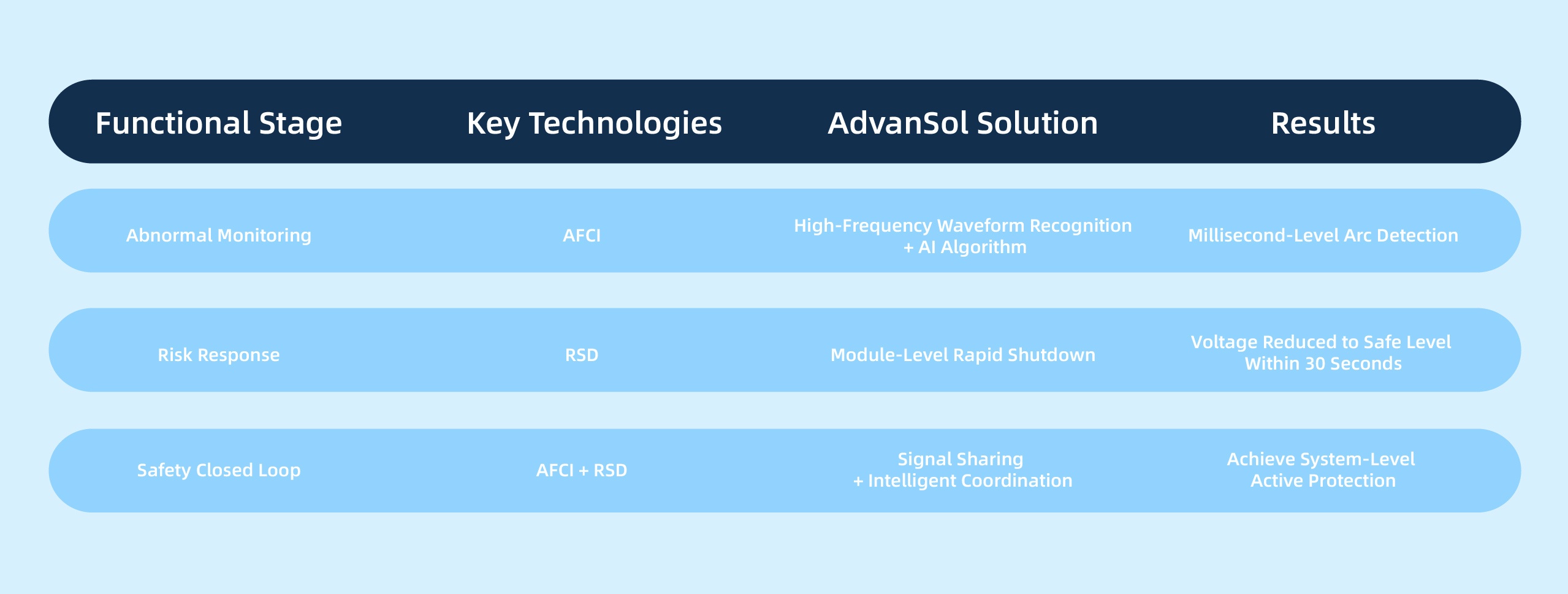
Full-link safety solution
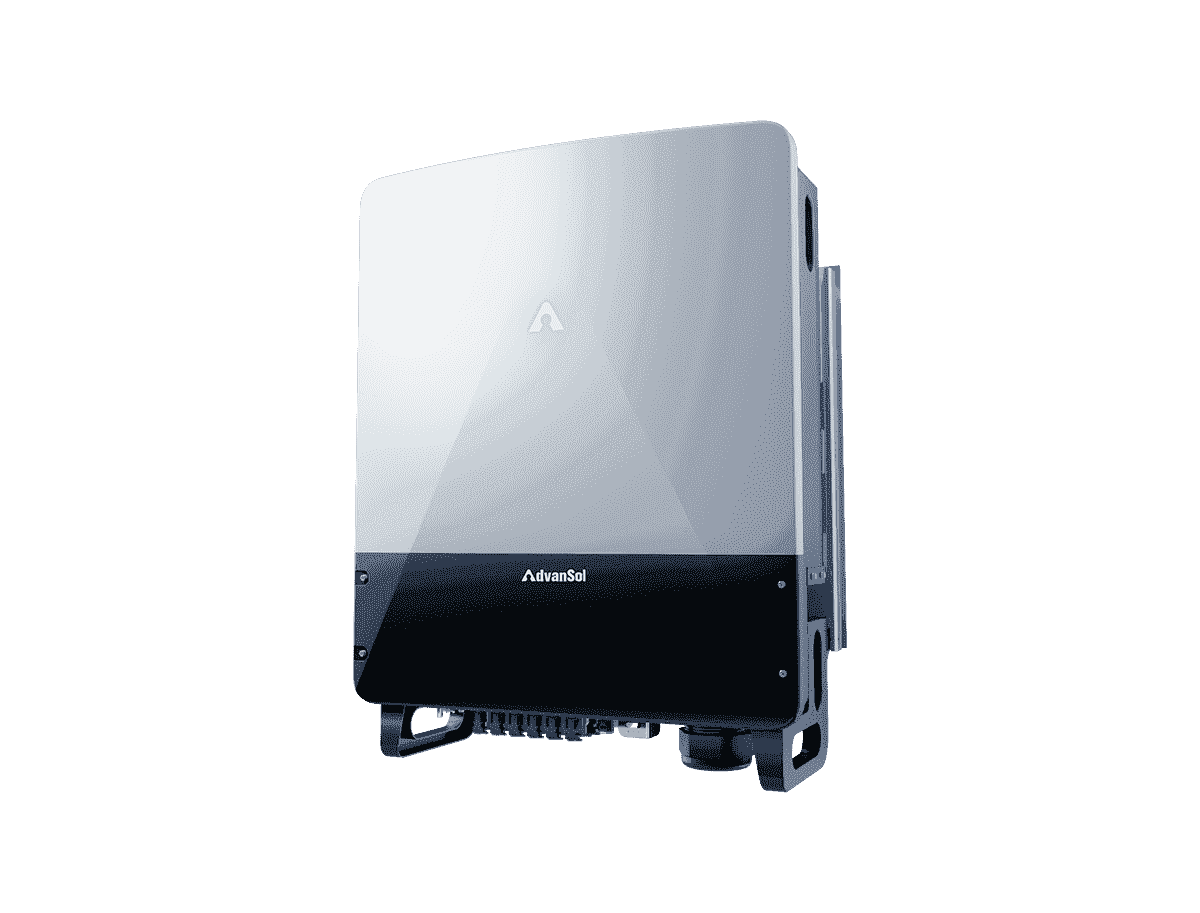
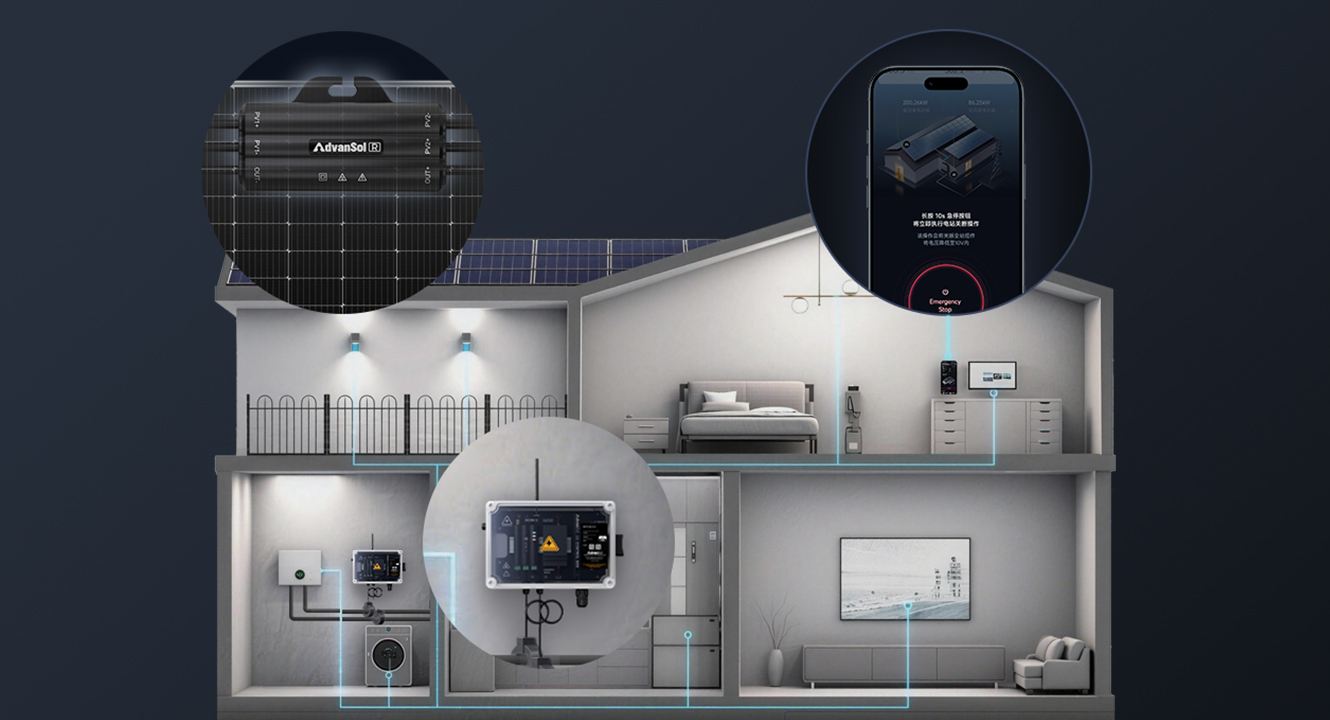
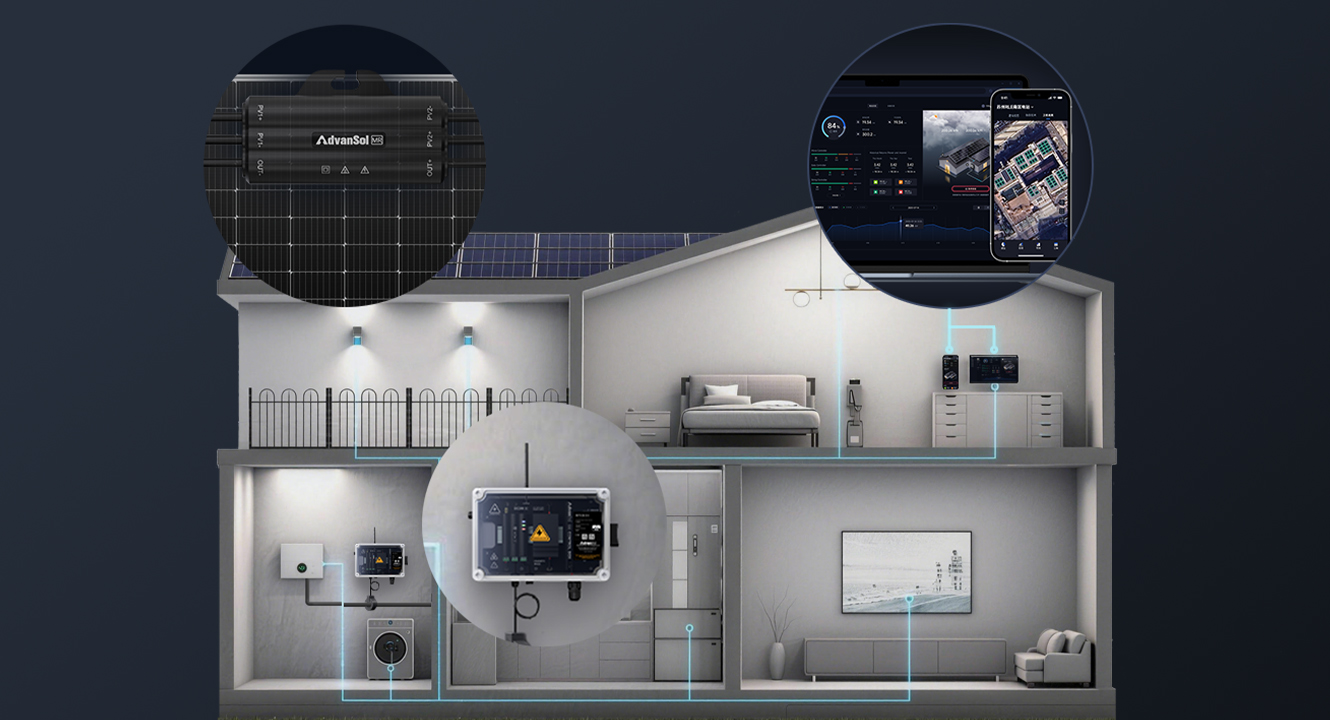
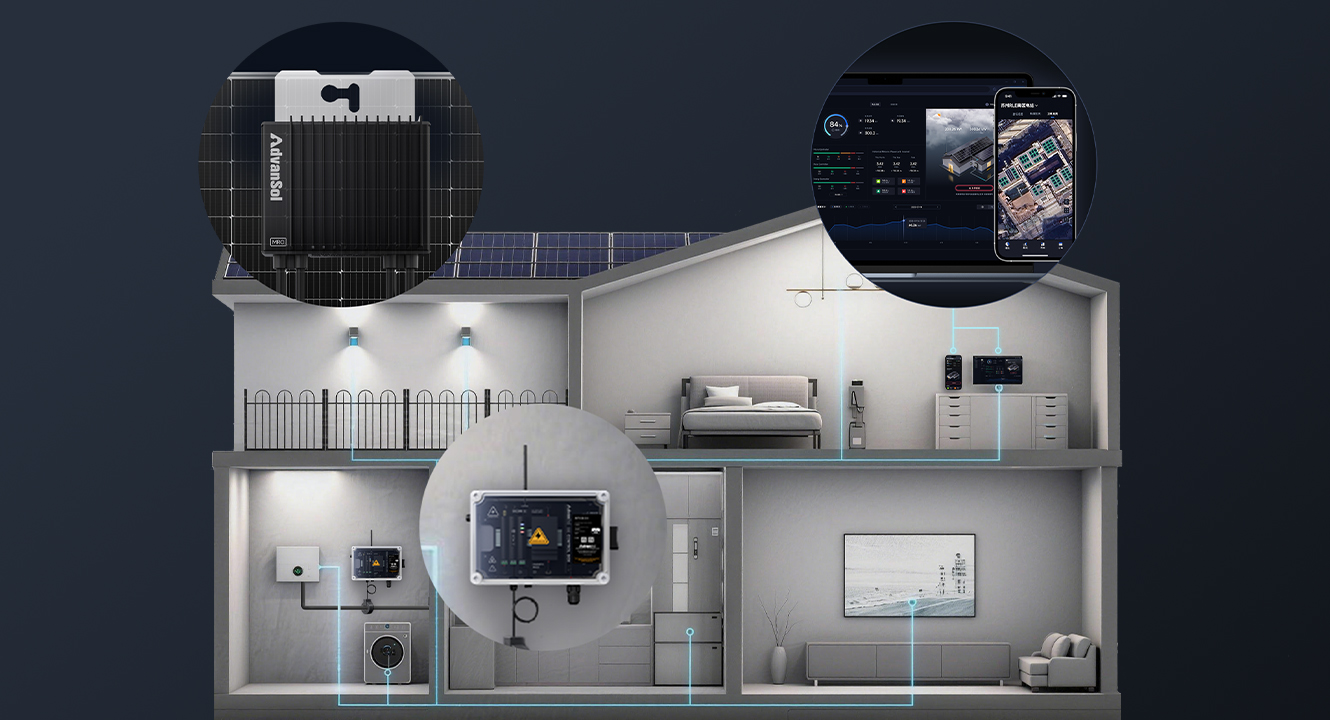
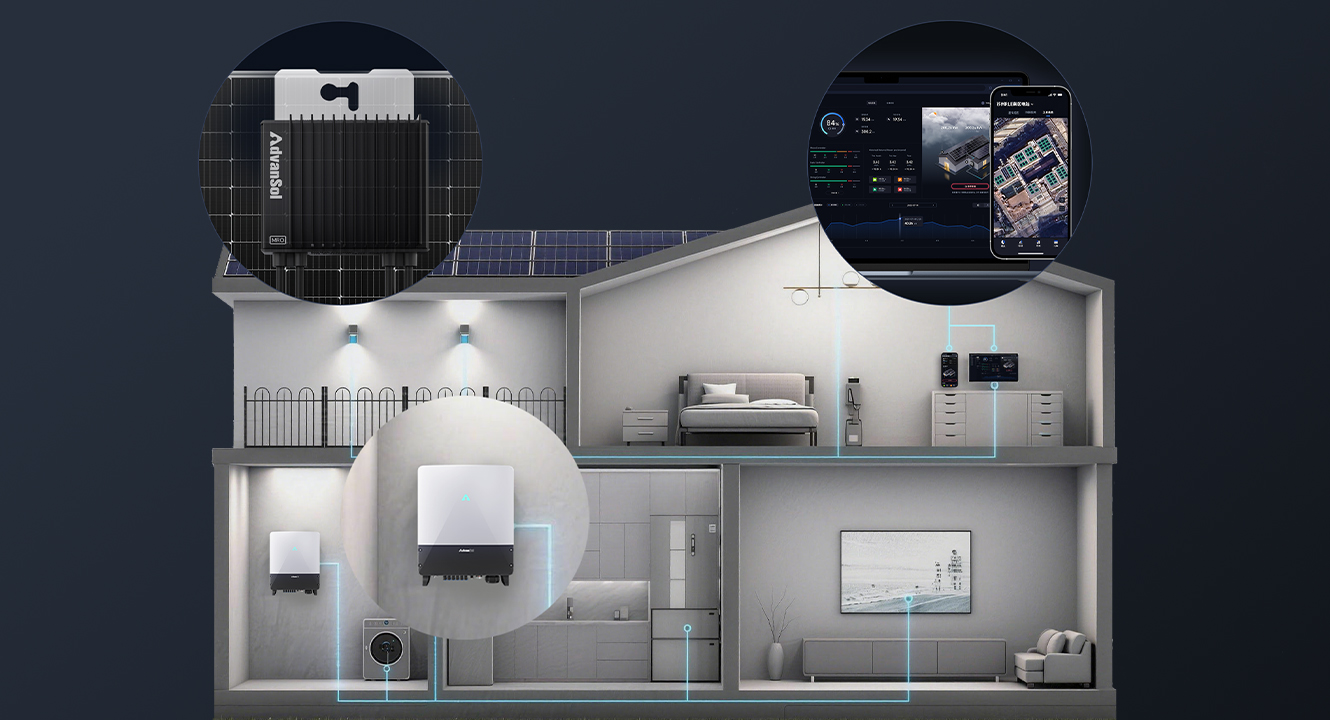
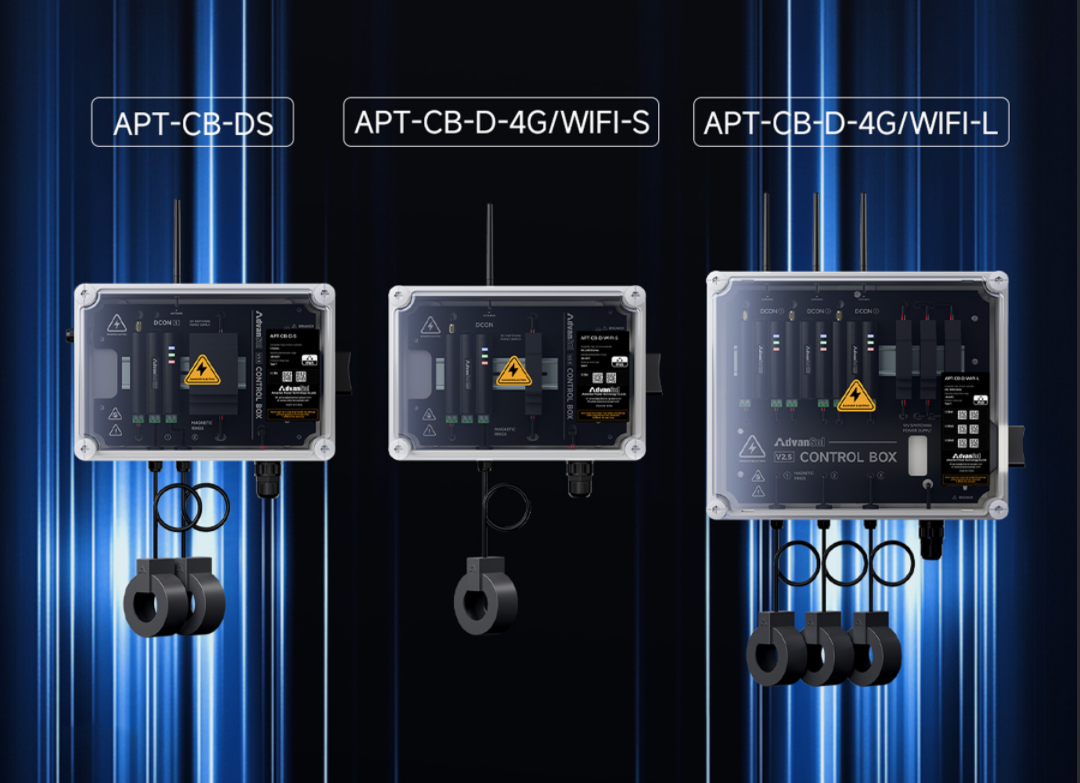
AdvanSol integrates AFCI, RSD, Optimizer, and String Controller to create a comprehensive, all-round protection loop.
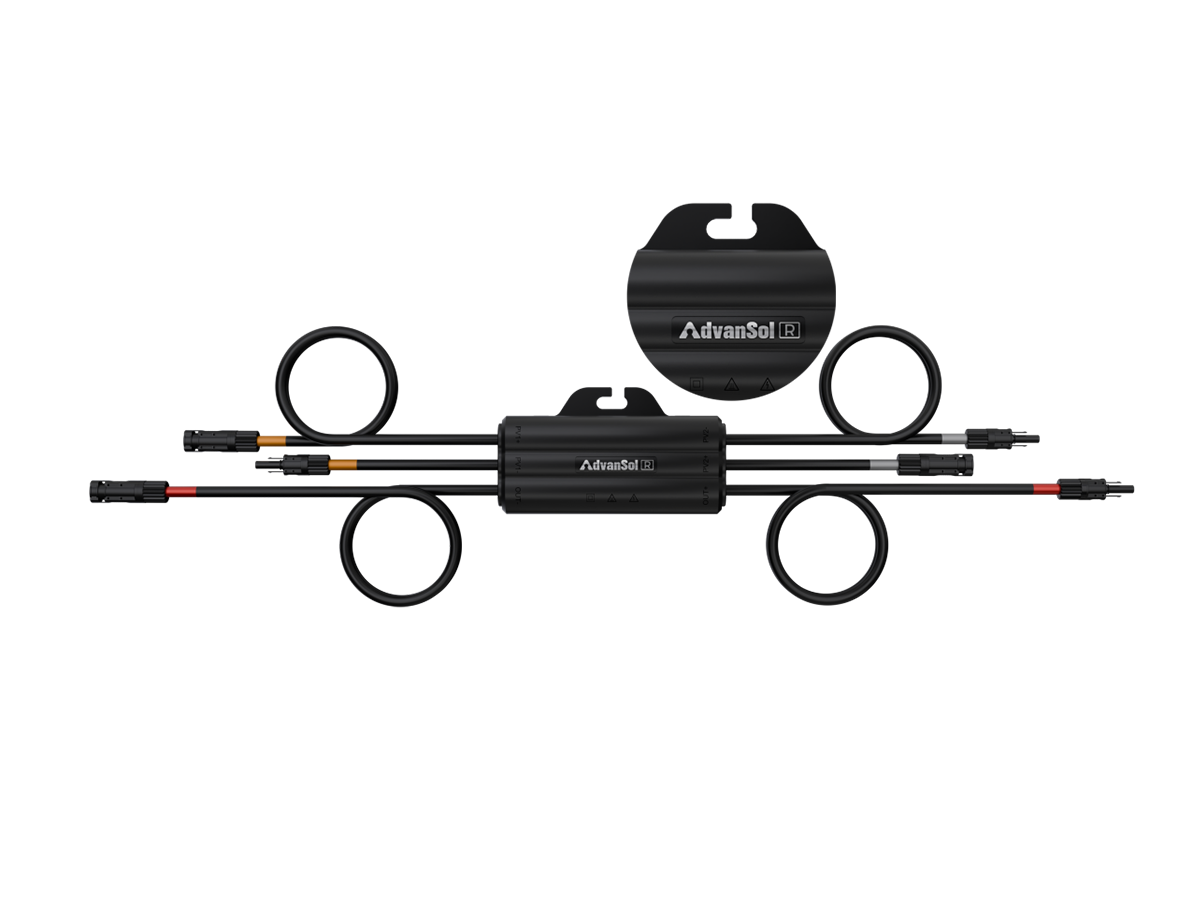
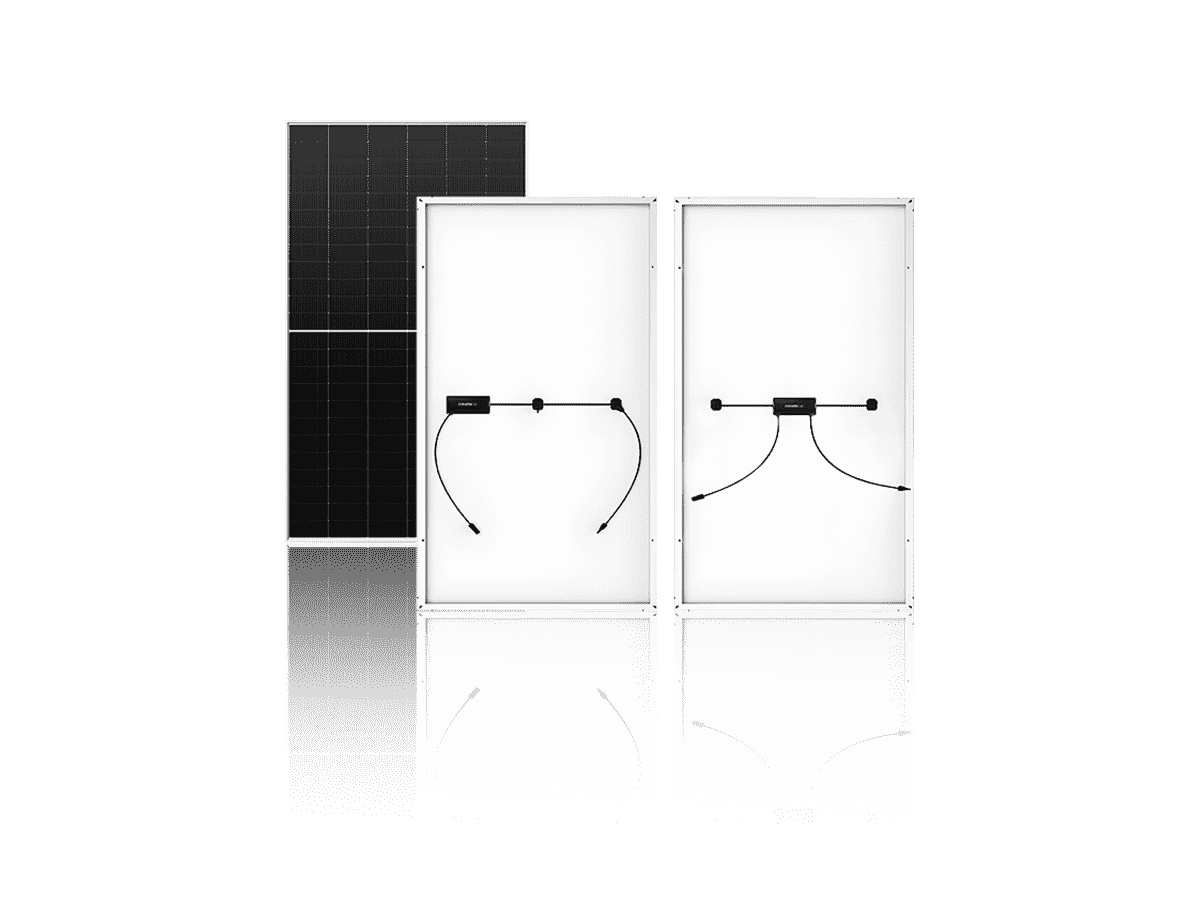
Module-level Rapid Shutdown Device (RSD)
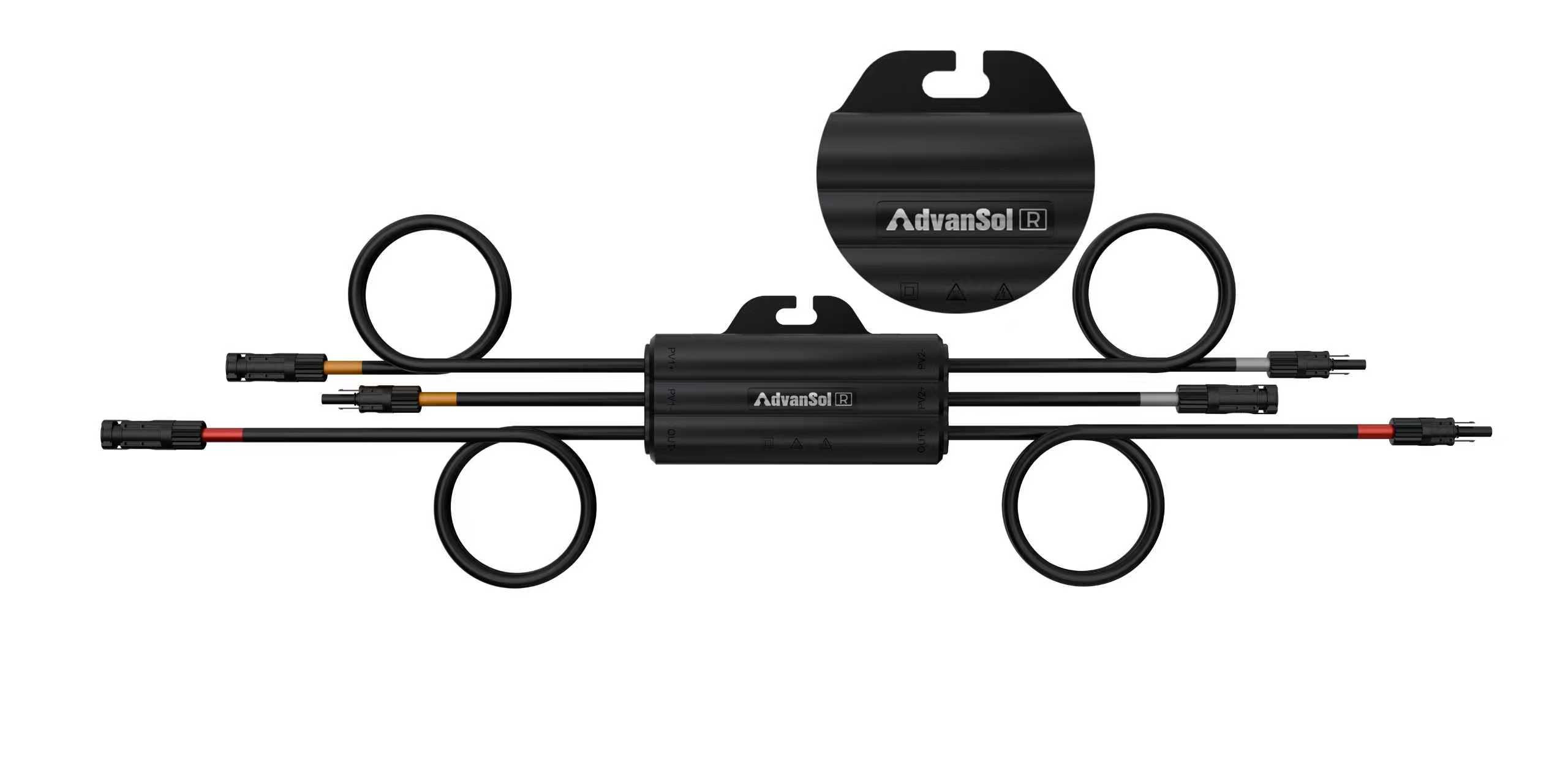
✅ Patented hardware protection with automatic shutdown
✅ Module-level rapid shutdown within 30 seconds
✅ Optional module-level AFCI safety mechanism
✅ Compatible with all modules below 800W
✅ RSD with remote control via mobile app
✅ Fully certified under UL1741 and UL3741
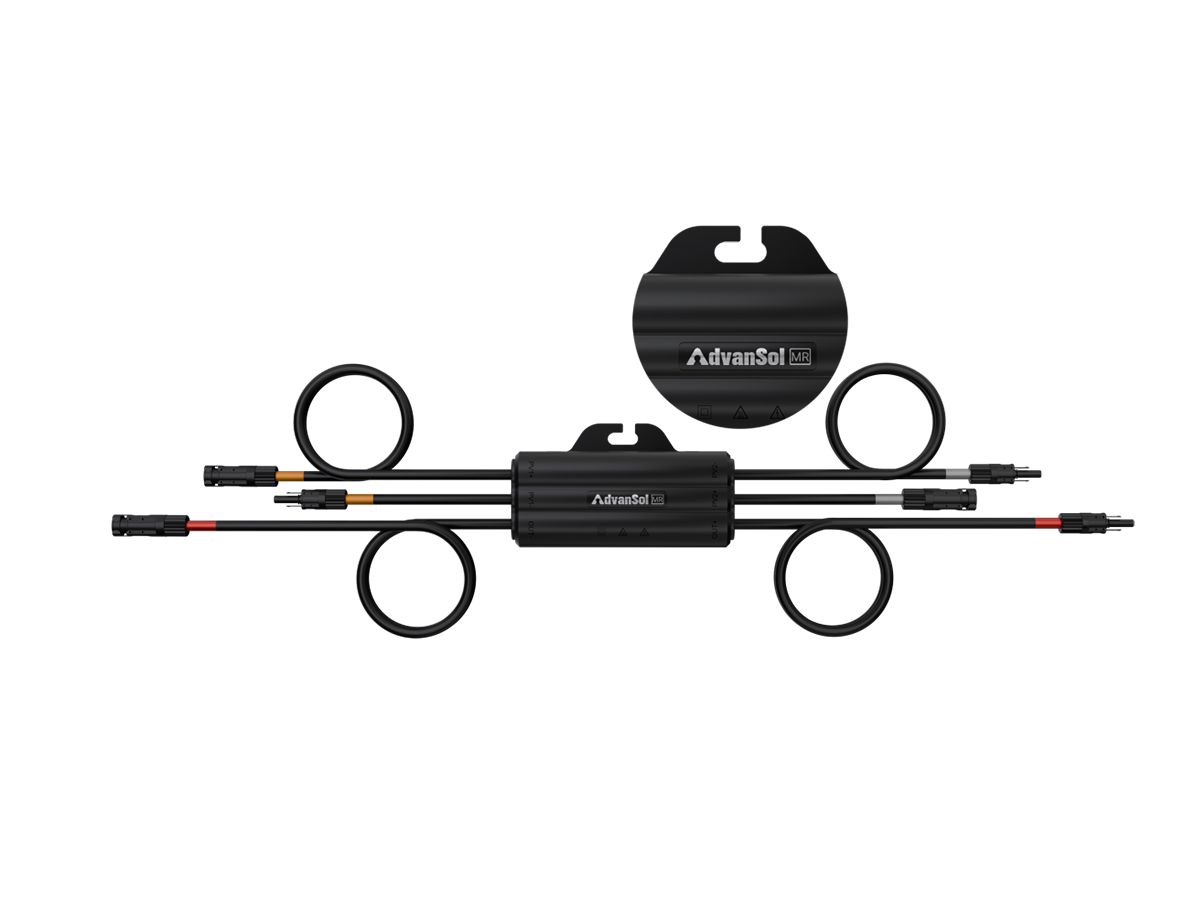
Module-level Monitoring Shutdown Device (Monitoring RSD)
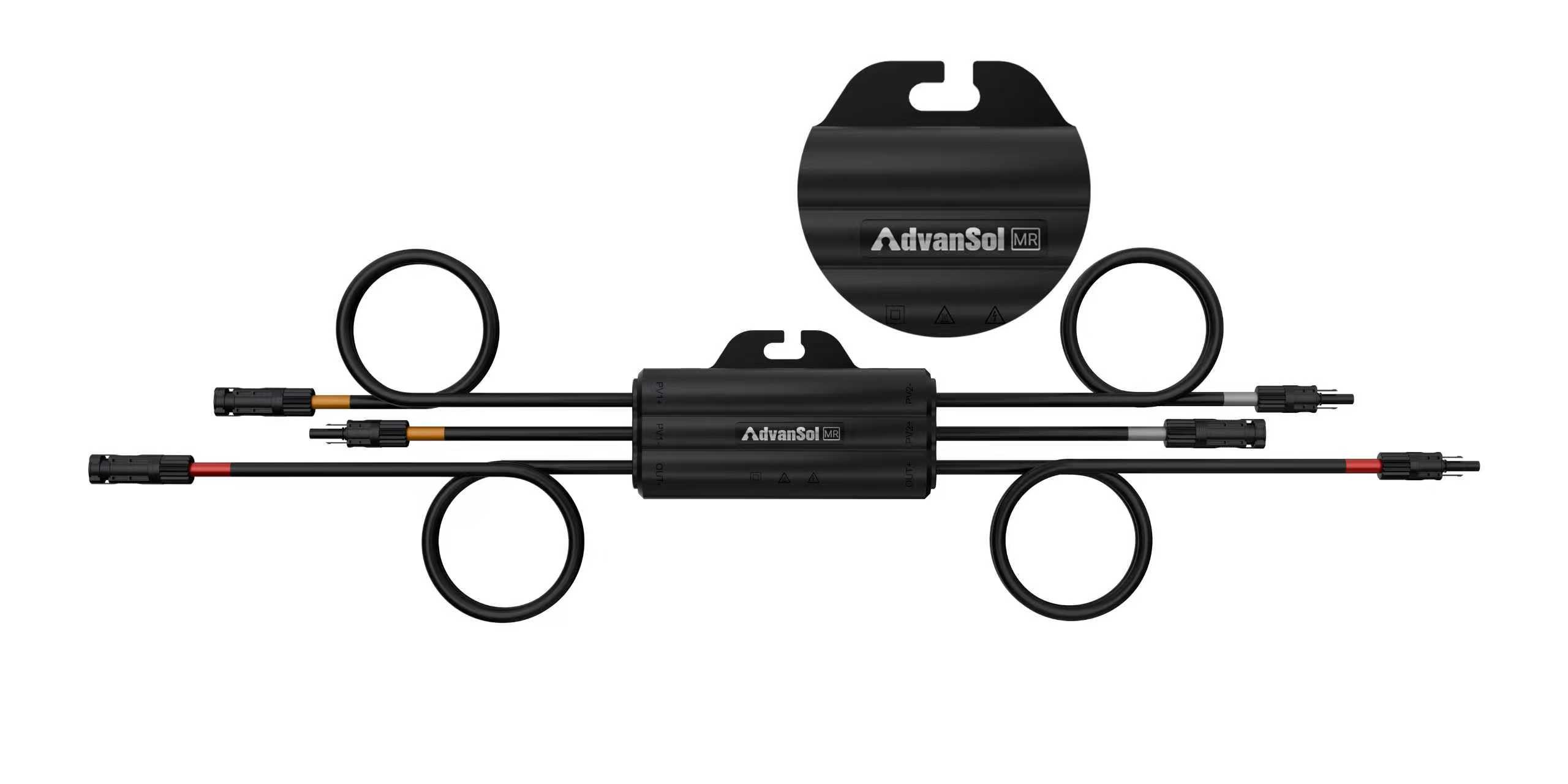
✅ Module-level rapid shutdown within 30 seconds
✅ Optional module-level AFCI safety mechanism
✅ AI-based real-time module-level monitoring and remote shutdown
✅ HPLC communication with zero signal loss
✅ Compatible for mixed installation with optimizers
✅ Fully certified under UL1741 and UL3741
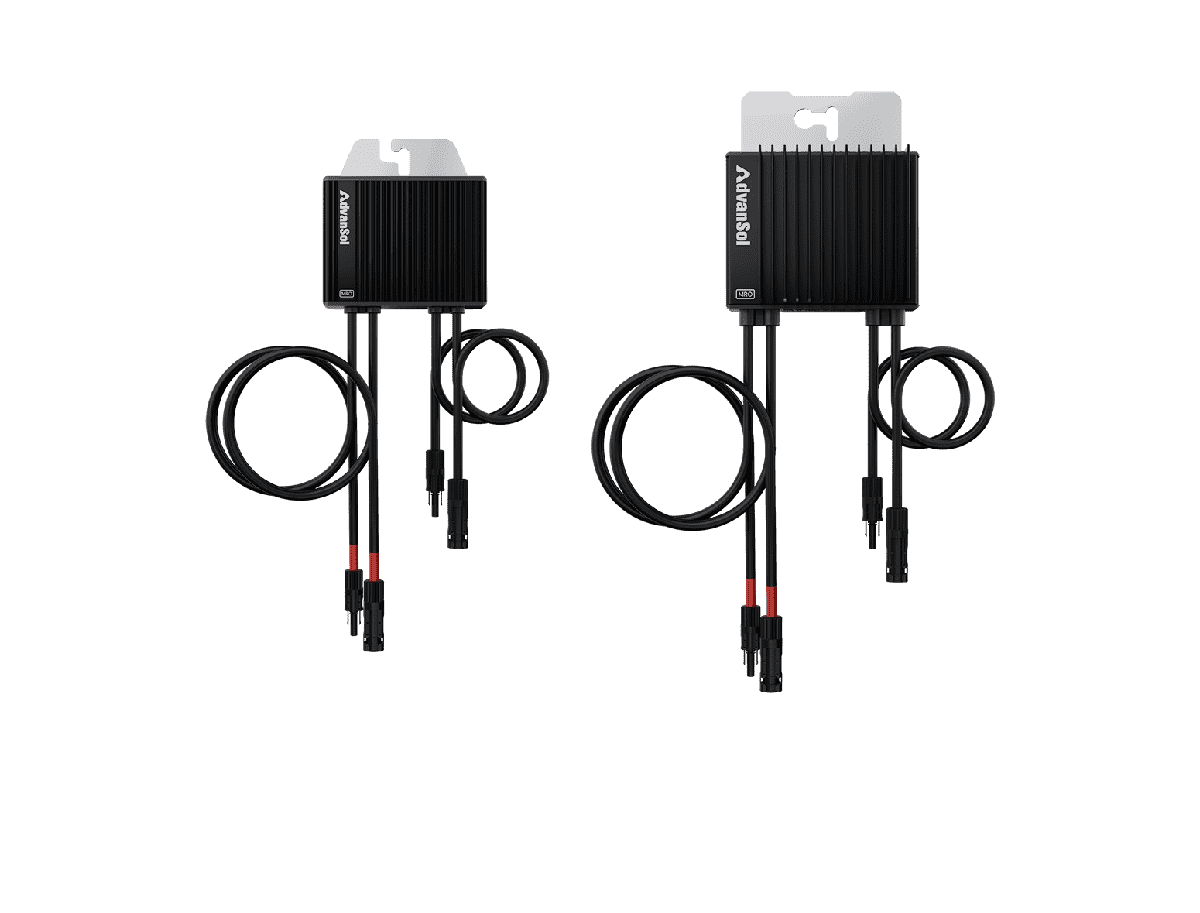
MRO Series Full-Function Optimizer
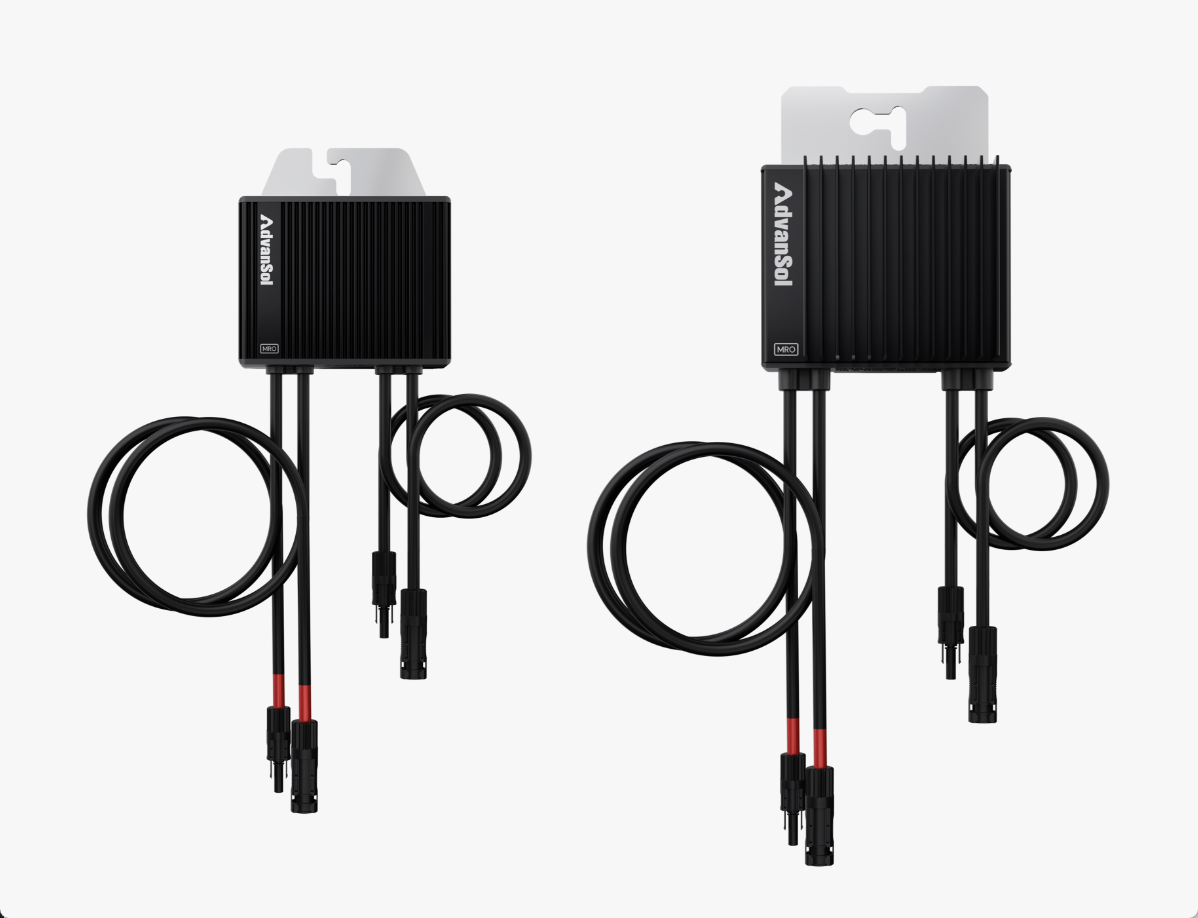
✅ Module-level MPPT optimization, increasing power generation by 30%+
✅ Optional module-level AFCI safety mechanism
✅ AI-based real-time module-level monitoring and remote shutdown
✅ Module-level rapid shutdown within 30 seconds
✅ Compatible for mixed installation with monitoring shutdown devices
✅ Full aluminum alloy housing with enhanced heat dissipation fins
✅ Fully certified under UL1741 and UL3741
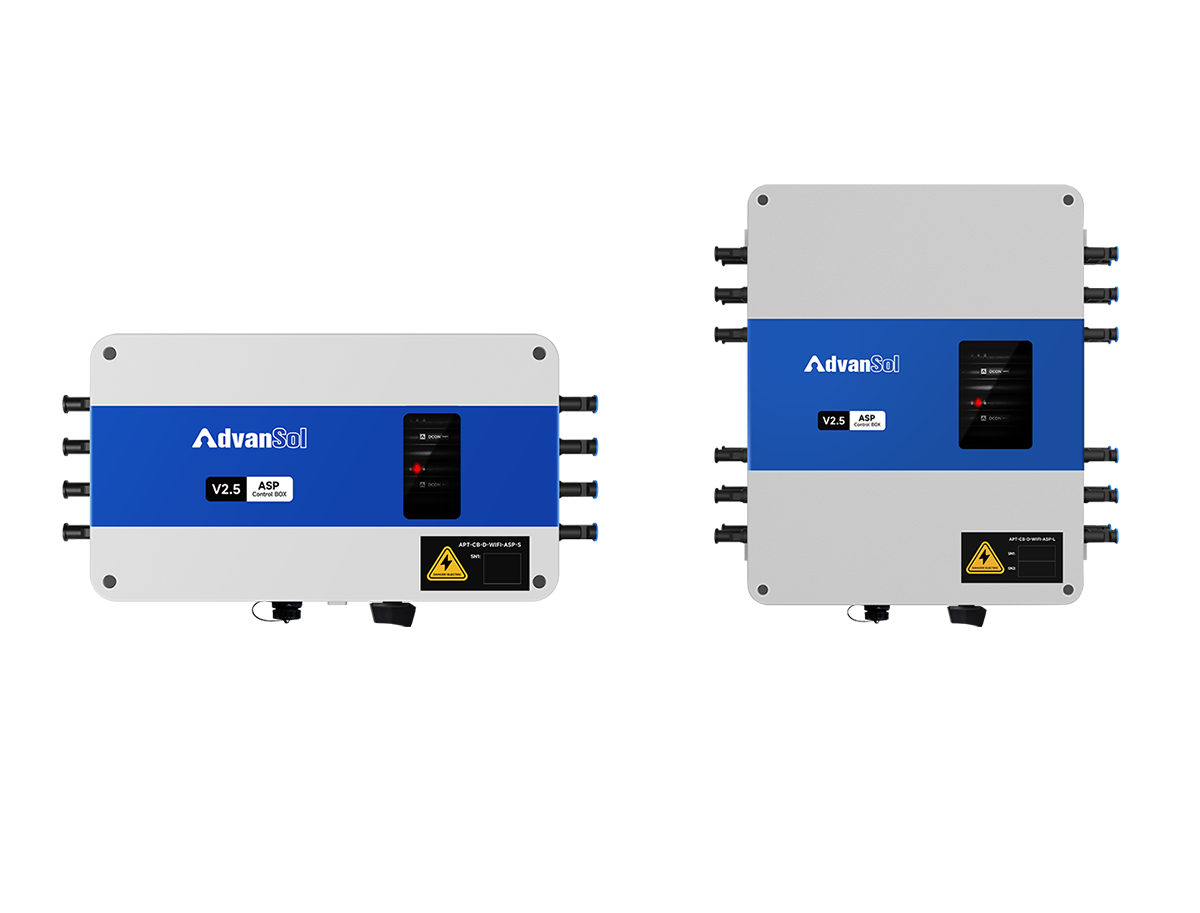
Smart String Controller
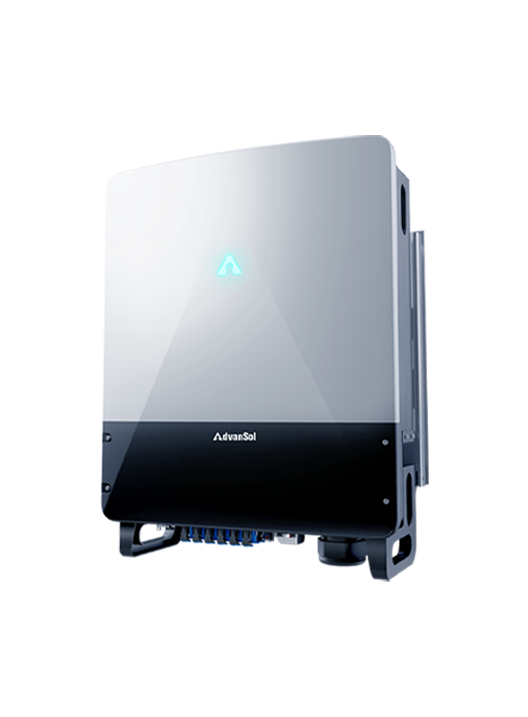
✅ Perfectly compatible with module-level optimizers for the most cost-effective system solution
✅ AFCI plus module-level RSD for ultimate safety
✅ Full AI-assisted O&M for real-time power plant management
✅ Module-level rapid shutdown within 30 seconds
✅ Maximum energy yield, up to 30% higher than traditional string inverters
✅ Suitable for all types of commercial and industrial projects
Recommended application scenarios:
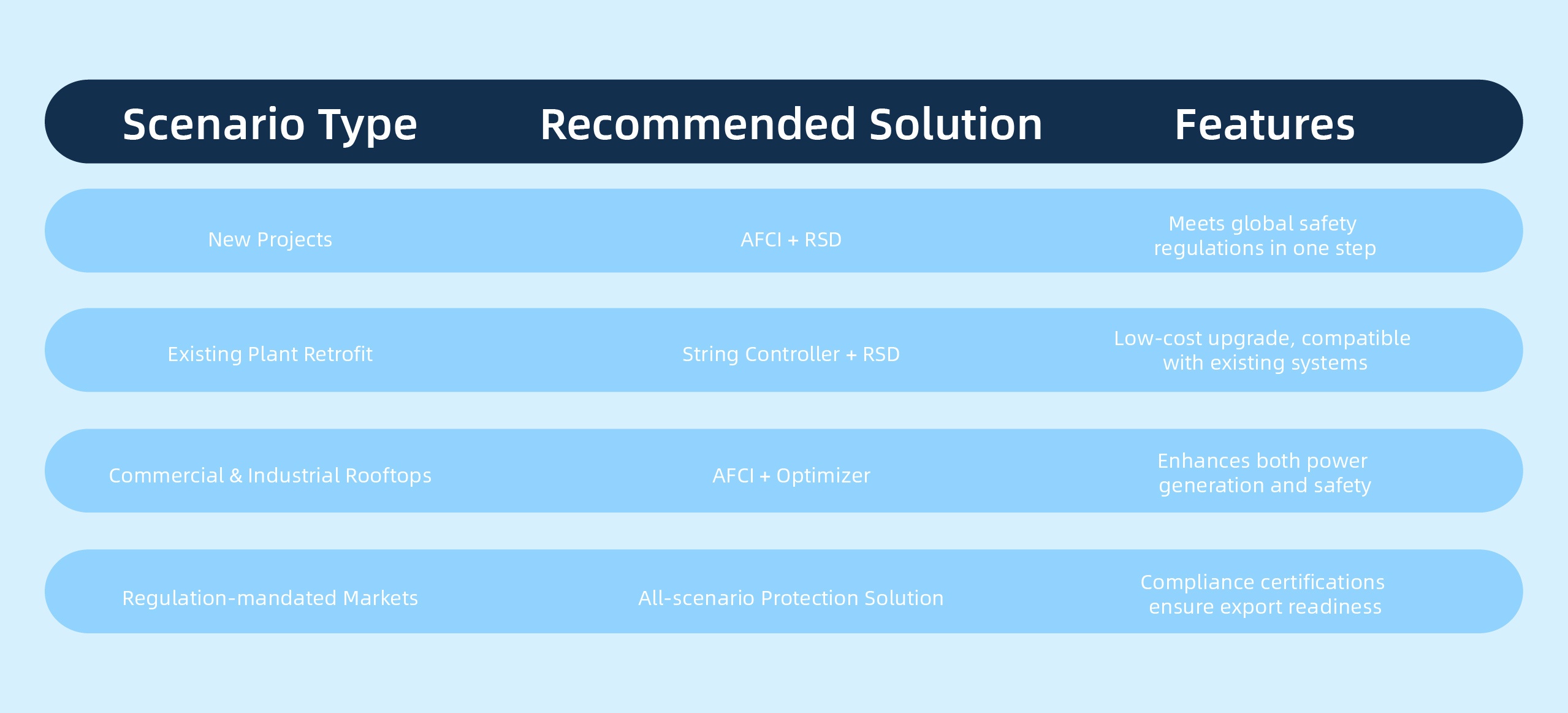
Dual protection for full-link PV safety
PV system safety should not rely solely on passive protection but should be proactively safeguarded from the design stage.
AdvanSol builds a dual safety mechanism with AFCI + module-level rapid shutdown: AFCI continuously monitors DC arc faults and quickly identifies abnormal currents, while the module-level shutdown reduces the high-voltage circuit to a safe voltage within 30 seconds, effectively minimizing fire and electric shock risks.
The dual protection mechanism works in synergy to achieve full-link PV system safety management, ensuring every watt of power is delivered with high reliability and stability.